
Only for Licensed Professionals
Only for Licensed Professionals

Xolair Food Allergy – Is It an Effective Treatment?
David Fuller
Last Updated On: October 6, 2025
Food allergies impact an estimated 32 million Americans, including more than 5 million children, making them one of the most pressing issues in modern allergy care. For many families, the risk of an accidental bite leading to a serious reaction—or even life-threatening anaphylaxis—creates constant anxiety and strict daily precautions.
Xolair (omalizumab), a biologic therapy long used for asthma and chronic hives, has recently entered this landscape in a meaningful way. In 2024, the FDA approved Xolair for IgE-mediated food allergy in patients as young as one year old. By targeting immunoglobulin E (IgE), the antibody at the heart of allergic reactions, Xolair may help lower the risk of severe responses when accidental exposures occur.
This approval marks a significant step forward, but questions remain about its long-term effectiveness and how it complements traditional strategies, such as strict allergen avoidance. Continue reading to discover what Xolair offers in food allergy management, the evidence supporting its use, and the key considerations for both patients and healthcare providers.
Key Takeaways
- Xolair (omalizumab) works by binding IgE antibodies, reducing allergic reactions triggered by accidental food exposures.
- FDA approval (2024) covers use in patients ≥1 year old to reduce reactions, including anaphylaxis, from accidental exposure—not as a cure.
- Clinical trials have shown benefits, including higher allergen tolerance, fewer severe reactions, and improved adherence to therapy programs.
- Best used as supportive therapy, often alongside oral immunotherapy (OIT), especially in high-risk patients.
- Limitations include high cost, the need for regular injections, and uncertainty about the long-term effects after stopping treatment.
- Safety monitoring is essential; patients should be observed after injections and counseled on recognizing the early signs of severe reactions.
About: Operating since 2016, Med Supply Solutions is known for being one of the industry’s top and trusted suppliers of cosmetic and viscosupplementation products. If you’re interested in purchasing Xolair online, please contact our sales department for more information.


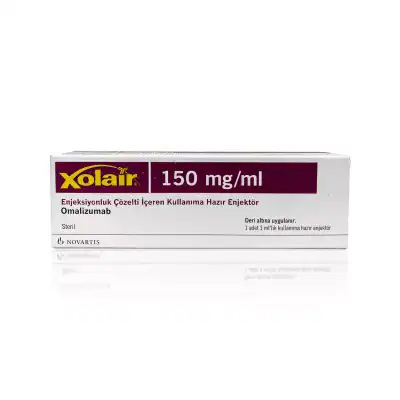
Tier pricing
Save 16.69%
4 or more
$499.00 each
Save 20.03%
11 or more
$479.00 each
Save 20.87%
21 or more
$474.00 each
Mechanism & Rationale for Using Xolair in Food Allergy

Omalizumab (Xolair) works by binding to free IgE antibodies, preventing them from attaching to immune cells like mast cells and basophils. This stops the cascade of allergic reactions, lowering the risk of dangerous responses when allergens are accidentally encountered.
The rationale for using Xolair in food allergy management includes:
- IgE Suppression: Lowers overall sensitivity to food allergens, reducing reaction severity.
- Improved Safety During OIT (Oral Immunotherapy): Clinical trials suggest Xolair can make OIT safer and more tolerable, though its FDA approval (2024) is specifically for reducing reactions to accidental exposures, not for OIT itself.
- Reduced Inflammation: Helps dampen ongoing allergic activity, improving symptom control and daily quality of life.
By targeting the root immune pathway, Xolair modifies how the body reacts to allergens, offering a valuable safety layer in food allergy care.
Clinical Trial Evidence & Efficacy of Xolair in Food Allergy
Evidence from clinical trials forms the foundation for understanding Xolair’s role in food allergy treatment. Landmark studies like OUTMATCH have examined its use both alone and as an adjunct to oral immunotherapy (OIT).
Key Findings
- Increased Allergen Thresholds: Patients tolerated higher doses of peanuts or other allergens, lowering the risk of severe accidental reactions.
- Reduced Adverse Events: Pre-treatment with Xolair resulted in fewer systemic reactions, including anaphylaxis and severe hives, compared to OIT alone.
- Faster Desensitization in Some Studies: Earlier OIT + Xolair trials showed quicker escalation to maintenance dosing, though this was not consistent across all studies.
- Improved Adherence: With fewer severe reactions, more patients were able to continue long-term therapy programs.
Most data focus on peanut allergy, limiting generalization to other allergens. Current evidence supports Xolair as a supportive therapy, enhancing safety rather than replacing standard approaches like allergen avoidance and OIT.
Limitations, Challenges & Safety in Food Allergy Use of Xolair
While promising, Xolair’s use in food allergy is not without challenges. Patients and providers must weigh benefits against risks and practical limitations.
Key Considerations
- Incomplete Tolerance: Some patients may still react to allergens despite therapy.
- Cost and Accessibility: Biologics are expensive and require regular injections, which may limit availability.
- Adverse Reactions: Common issues include injection site discomfort; rare but serious Xolair side effects include anaphylaxis.
- Limited Long-Term Data: The durability of tolerance after discontinuing treatment remains unclear, making follow-up essential.
Choosing Patients & Integrating Xolair into Food Allergy Practice
Careful patient selection is central to using Xolair effectively in food allergy management. The best candidates are often those at high risk, such as individuals with a history of severe reactions or frequent accidental exposures.
Integration with oral immunotherapy (OIT) is another important consideration. While not FDA-approved for this purpose, Xolair can make OIT more tolerable by lowering the likelihood of systemic reactions. This makes it particularly valuable for complex or high-risk cases.
To ensure safe outcomes:
- Providers should monitor patients regularly to track both clinical benefits and potential side effects.
- Families should receive clear counseling about realistic expectations, treatment duration, and possible risks.
- A multidisciplinary approach, involving allergists, nurses, and support staff, helps optimize care and safety.
Shared decision-making empowers patients and families, allowing them to move forward with confidence.
Conclusion
Xolair has become an important option in managing IgE-mediated food allergy, particularly for reducing the severity of accidental reactions. Clinical studies show it can improve safety and tolerance, and in some cases make OIT protocols more achievable. Still, questions remain about cost, accessibility, and long-term effectiveness.
For now, Xolair is best viewed as a supportive tool rather than a cure. With careful patient selection, structured monitoring, and informed counseling, it offers meaningful protection and reassurance to those most at risk of life-threatening reactions.
FAQs
1. Can Xolair cure food allergies?
No, Xolair does not cure food allergies, but it can increase allergen thresholds and improve safety during oral immunotherapy.
2. Who is a candidate for Xolair in food allergy?
Patients with high-risk IgE-mediated food allergies or those undergoing OIT who experience severe reactions may benefit.
3. How is Xolair administered for food allergy?
Subcutaneous injections are administered every 2–4 weeks, based on weight and IgE levels, and are often given before and during OIT protocols.
4. What are the main risks of Xolair?
Injection site reactions, mild systemic effects, and rare severe reactions like anaphylaxis should be monitored.
References
Food Allergy & Anaphylaxis – Food Allergy Basics. FAACT. https://www.foodallergyawareness.org/food-allergy-and-anaphylaxis/food-allergy-basics/food-allergy-basics/
Facts and Statistics. FoodAllergy.org. https://www.foodallergy.org/resources/facts-and-statistics
Omalizumab treats multi-food allergy better than oral immunotherapy. National Institutes of Health (NIH). Published March 3, 2025. https://www.nih.gov/news-events/news-releases/omalizumab-treats-multi-food-allergy-better-oral-immunotherapy
OMALIZUMAB IN ADULT PATIENTS WITH IgE-MEDIATED FOOD ALLERGY: THE OUtMATCH STUDY (STAGE 1). South San Francisco, CA: Genentech, Inc; 2024. https://www.genentech-medinfo.com/content/dam/gene/genentech-medinfo/pdfs/xolair/omalizumab-in-adult-patients-with-ige-mediated-food-allergy.pdf
Products
Cart
Log In
Newsletter
Subscribe for exclusive offers and updates on new arrivals
Share feedback at:
Working Hours
MON - SUN 9AM to 6PM EST
The Most Popular Brands
Med Supply Solutions
Support
Secure checkout is guaranteed with full adherence to PCI DSS payment standards.
Products listed here are guaranteed authentic and manufacturer-sourced.
Pay easily with trusted providers


*Google and Apple Pay are currently only available via a direct link provided by your account manager.
Copyright 2026. Med Supply Solutions