Your Cart is Empty
Start shopping
RESTYLANE®
RESTYLANE® is valued for its portfolio breadth and the clinical differentiation built into its gel technologies. The range spans multiple proprietary formulations, including NASHA® (the original gel associated with firmer rheology and structural lift) and OBT™, which produces a softer, more flexible gel suited to areas with natural facial movement. Looking to buy RESTYLANE® online? Licensed medical professionals can contact the Med Supply Solutions team for guidance on product availability, documentation, and account support.

9 items
Sort by
Filters
Category
Brand
Price Range
$
$
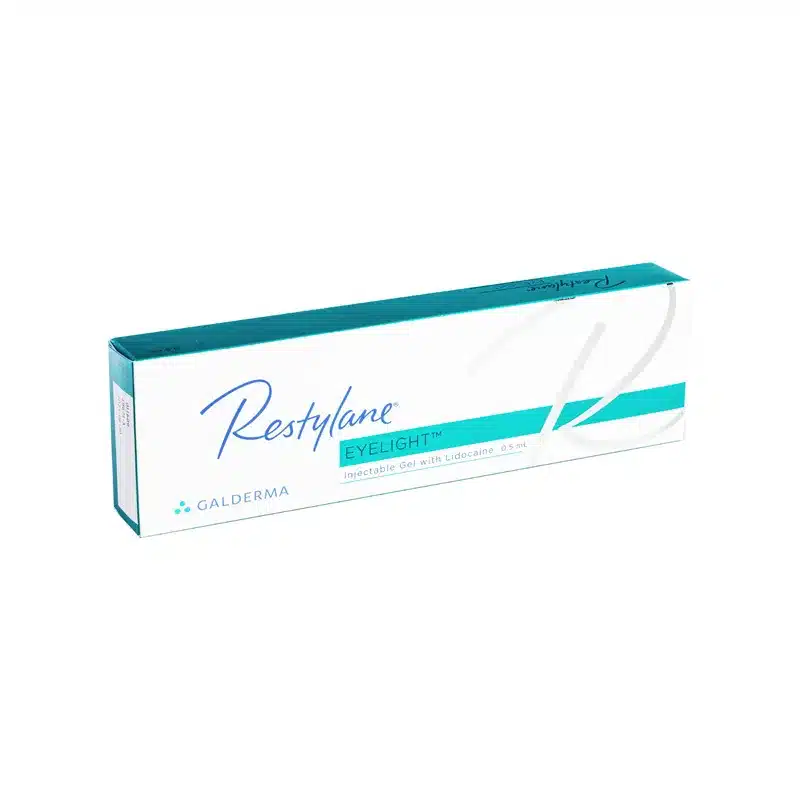
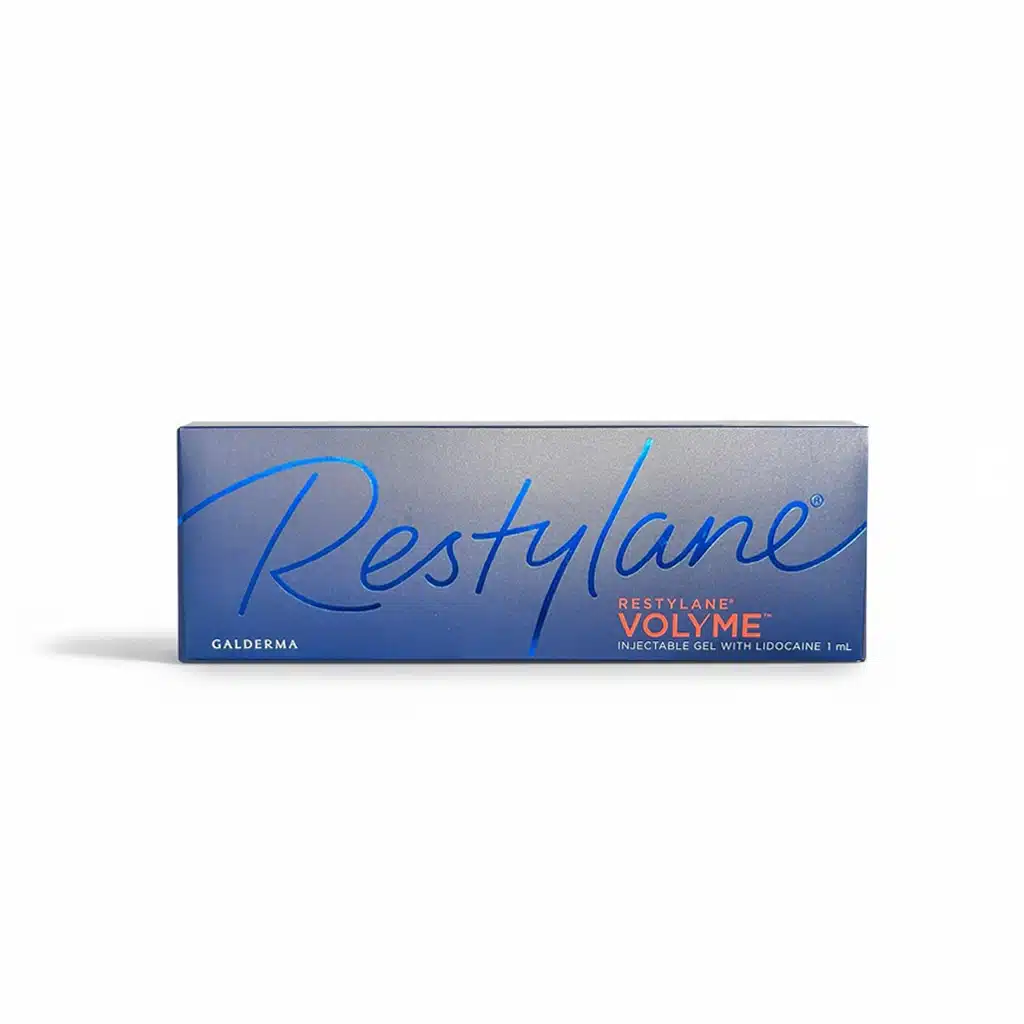
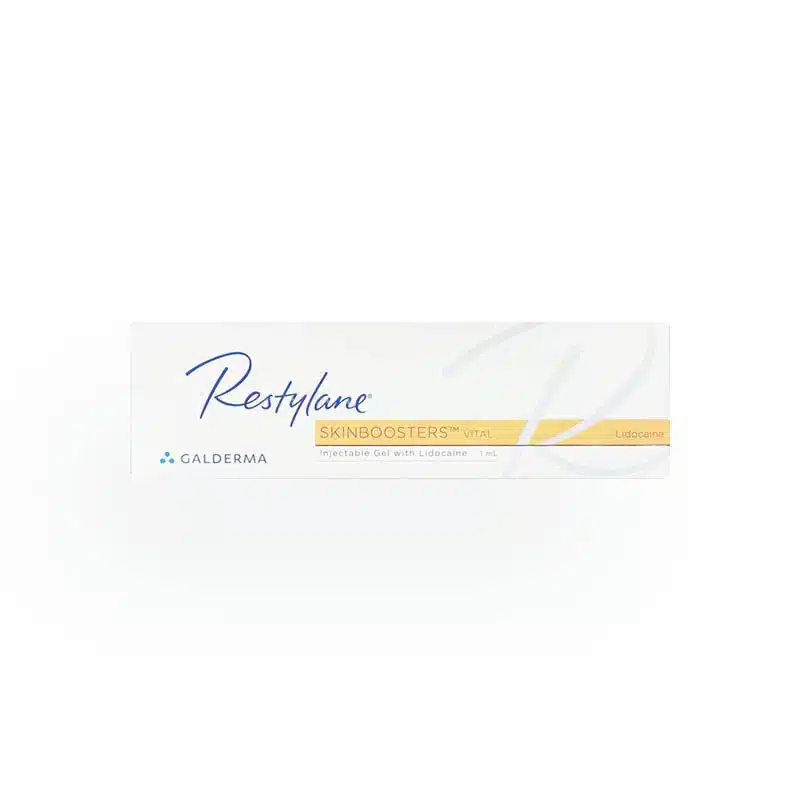
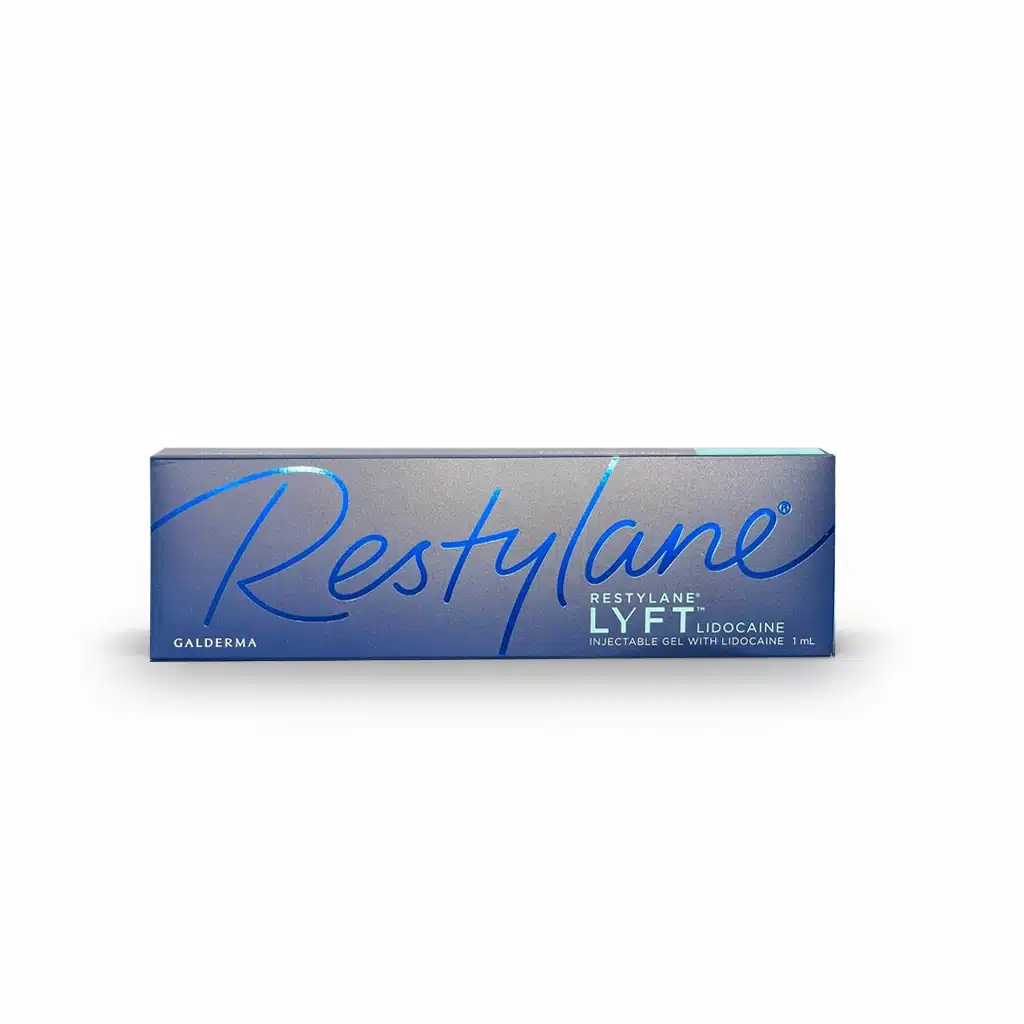
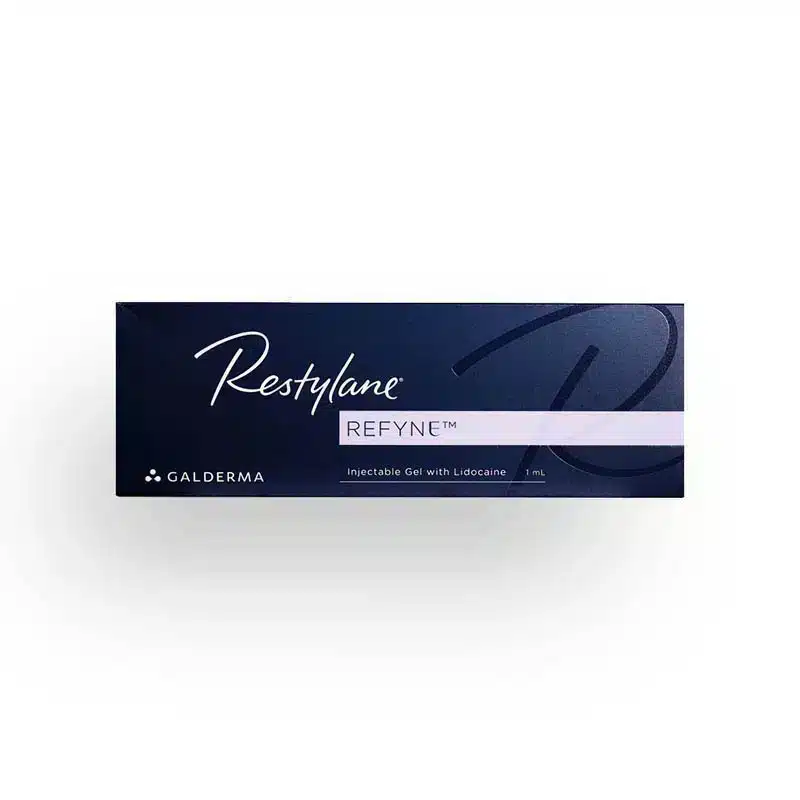
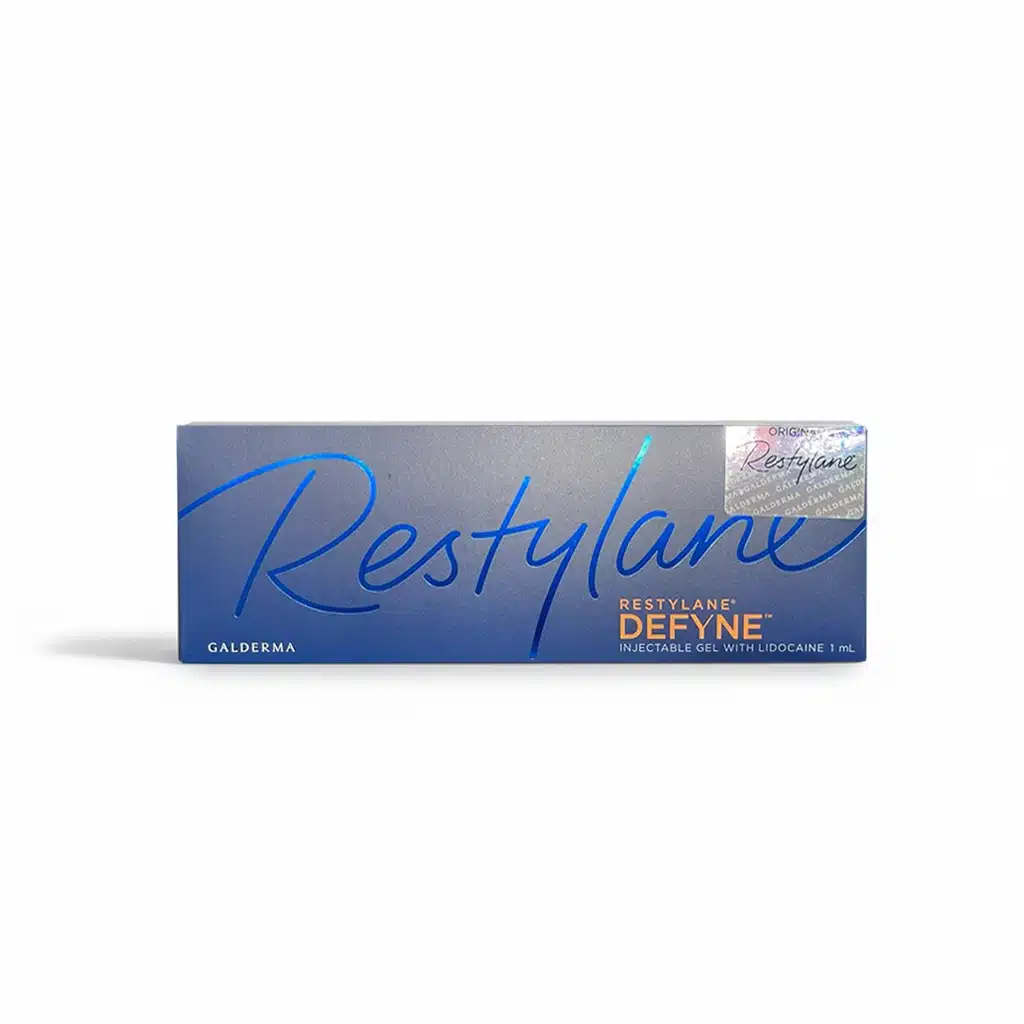
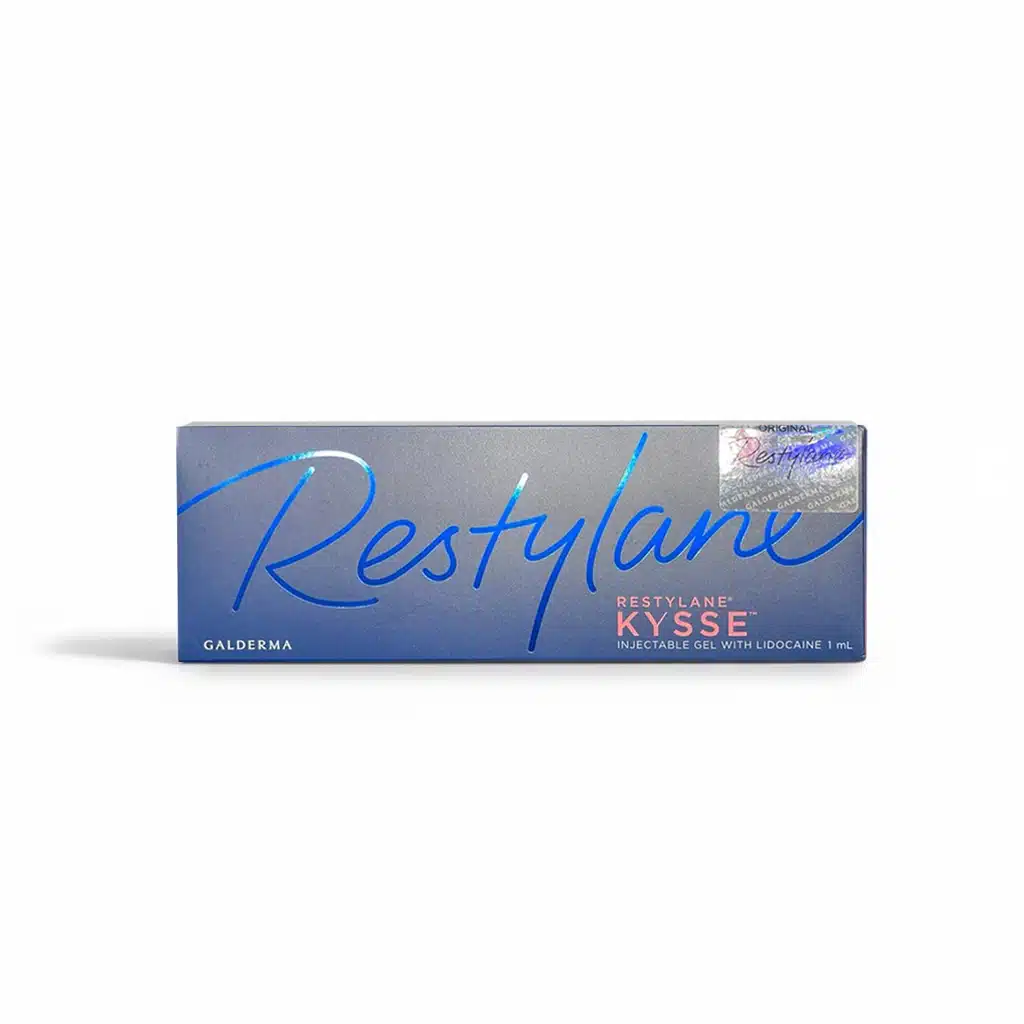
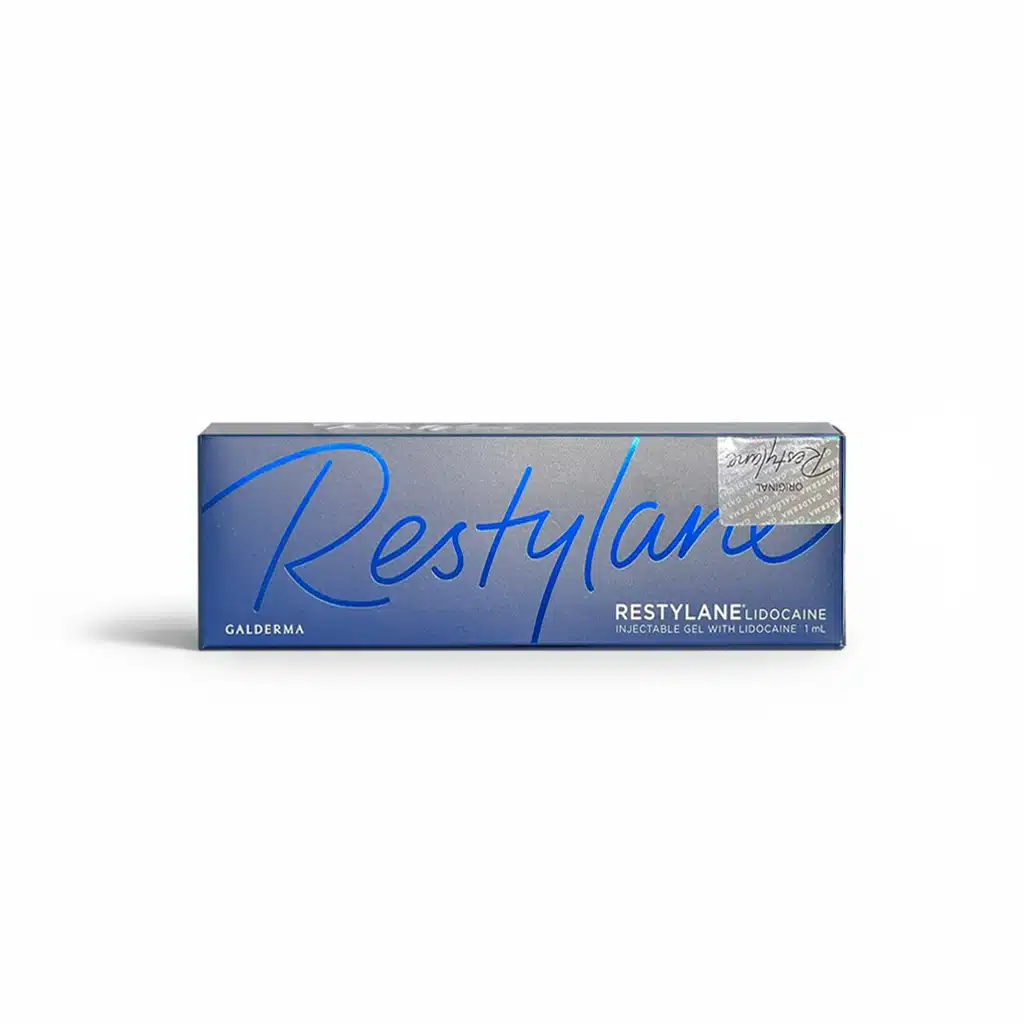
Most ordered from RESTYLANE®
Global Best Sellers

Why Healthcare Professionals Choose RESTYLANE®
These mechanical differences allow practitioners to select a product by tissue behavior and movement requirements rather than adapting a single formulation to every indication. [3] RESTYLANE® dermal fillers are part of Galderma's HA filler portfolio, with product options designed for facial correction, volume restoration, lip enhancement, skin quality, and under-eye hollowing. RESTYLANE® also holds one of the longest FDA regulatory histories in the HA filler category. According to FDA PMA records, RESTYLANE® was the first HA dermal filler approved in the United States, receiving PMA clearance in December 2003. That track record now spans over two decades of post-market data, peer-reviewed evidence, and accumulated injector familiarity — a meaningful differentiator for practices building or reviewing filler inventory. [1]Order RESTYLANE® at Wholesale Prices
Med Supply Solutions offers RESTYLANE® products to licensed medical professionals at wholesale prices, with verifiable LOT numbers, fast shipping, and documentation support. Looking to buy RESTYLANE® online or order RESTYLANE® fillers wholesale? Get in touch with the team at Med Supply Solutions for guidance on availability and account setup.What Is RESTYLANE® Used For?
RESTYLANE® is used across aesthetic protocols for wrinkle correction, facial volume restoration, lip enhancement, skin hydration, under-eye hollow correction, and hand rejuvenation. The portfolio's multiple gel technologies give practitioners a platform for indication-specific product selection. Practitioners can choose by firmness, flexibility, and tissue depth rather than relying on a single filler formulation for every area. [3][4] In practice, RESTYLANE® may be selected for nasolabial folds, marionette lines, cheeks, lips, tear troughs, hands, décolletage skin quality, and age-related midface volume loss. Product selection should be guided by anatomy, injection plane, desired lift, tissue mobility, reversibility considerations, and treatment area.The RESTYLANE® Product Range
The RESTYLANE® portfolio has evolved from a single HA filler into a multi-technology range covering most major facial and body zones. Skin booster products support deep skin hydration and overall skin quality — a treatment approach RESTYLANE® helped introduce to the European market before expanding to the US. RESTYLANE® SKINBOOSTERS™ are used for hydration-focused micro-injection protocols across the face, neck, décolletage, and hands. [2][5] RESTYLANE® KYSSE addresses lip augmentation using OBT™ technology, designed to support natural lip volume and movement. For structural correction, RESTYLANE® LYFT uses NASHA® — the firmest formulation in the range — for cheek and midface volumization and hand rejuvenation. RESTYLANE® DEFYNE and RESTYLANE® REFYNE use XpresHAn Technology™ for dynamic expression lines, while RESTYLANE® EYELIGHT™ is formulated specifically for under-eye hollowing in adults. The classic RESTYLANE® 1 mL product remains clinically relevant for moderate facial correction including nasolabial folds. Each product is engineered for a specific tissue depth and clinical purpose rather than adapted from a single base formulation. [3]RESTYLANE® Treatment Areas
RESTYLANE® is indicated across several facial and body zones, with product selection driven by anatomy and treatment objective. Lip protocols may address augmentation, border definition, or vertical lip lines. Nasolabial folds and marionette lines are core lower-face indications, while cheek and midface treatments address age-related volume loss, contour restoration, and projection. [4] Under-eye hollowing requires a formulation specifically engineered for the infraorbital area, where tissue is thin and product visibility is high. For expression-related lower-face lines where natural movement is a treatment priority OBT™ technology is indicated rather than the firmer NASHA® formulations suited to static structural correction. The distinction between lift-focused and movement-preserving gel properties is clinically relevant when selecting products for the lower face and perioral region. [3] Hand rejuvenation targets dorsal volume loss and skin thinning. Skin booster protocols for the décolletage and neck target hydration and skin quality rather than structural correction — a distinct clinical objective from volumizing or line-correction protocols. [5]About RESTYLANE®
RESTYLANE® was developed by Q-Med AB in Uppsala, Sweden, and first launched in Europe in 1996 as Galderma's original NASHA® HA filler. Galderma acquired Q-Med in 2011, integrating RESTYLANE® into the portfolio of one of the world's leading dermatology and aesthetics companies. Founded in 1981 and headquartered in Zug, Switzerland, Galderma now distributes RESTYLANE® across more than 70 countries. The portfolio has since grown from a single product to more than 10 individual products, with Galderma citing nearly three decades of post-market clinical history. [2] NASHA® (Non-Animal Stabilized Hyaluronic Acid) is produced through bacterial fermentation, which eliminated the pre-treatment skin testing required by earlier animal-derived collagen fillers and helped shift the market toward HA-based correction. [2] Practices building or expanding their HA filler inventory often evaluate the JUVÉDERM® collection alongside RESTYLANE® for cross-brand product planning.RESTYLANE® Safety Profile
RESTYLANE® safety considerations are consistent with injectable HA filler procedures. Common injection-site reactions may include redness, swelling, bruising, pain, tenderness, itching, lump formation, and skin inflammation. These effects are typically transient and self-limiting, though duration may vary by product, treatment area, injection depth, and patient factors. [4] Age restrictions vary by product. Practitioners should refer to current product labeling for product-specific age indications and contraindications. Safety has not been established in pregnancy or breastfeeding. Practitioners should avoid use in patients with known hypersensitivity to hyaluronic acid, bacterial proteins, or formulation components, and should use caution in patients taking blood thinners or with increased bleeding risk. [4] Because RESTYLANE® is HA-based, correction with hyaluronidase may be considered when clinically appropriate. Reversibility is a meaningful risk-management consideration in areas where swelling, contour irregularity, or placement concerns may require adjustment.RESTYLANE® Regulatory Status
RESTYLANE® received FDA PMA approval in December 2003 for mid-to-deep dermal implantation to correct moderate-to-severe facial wrinkles and folds — the first HA dermal filler approved in the United States according to FDA PMA records. [1] Subsequent approvals expanded the portfolio: RESTYLANE® LYFT for cheek augmentation (2010) and hand rejuvenation (2015); RESTYLANE® SILK for lips and perioral lines (2014); RESTYLANE® DEFYNE and RESTYLANE® REFYNE for nasolabial folds (2016); RESTYLANE® KYSSE for lip augmentation (2020); and RESTYLANE® EYELIGHT™ for infraorbital hollowing in adults 21 and older (2023). [1] RESTYLANE® is available in more than 70 countries globally, with CE Mark certification in the EU and regulatory clearances across multiple markets. Product names, approved indications, and available presentations may vary by country — practitioners should verify local regulatory status and documentation before use.How Long Do RESTYLANE® Results Last?
RESTYLANE® results typically last 6–18 months depending on the product, treatment area, injection technique, and individual patient factors. Duration varies by indication. Lip treatments may require maintenance sooner than cheek or midface corrections, and skin booster protocols follow different intervals based on treatment goals and clinical response. Individual results may vary, and practitioners should set expectations based on product labeling and patient history. [4]RESTYLANE® Administration
- RESTYLANE® products are administered by qualified practitioners using needle or cannula technique, depending on the product, treatment area, and injection plane.
- Many RESTYLANE® presentations include lidocaine to support procedural comfort during injection.
- Most treatment sessions are completed in under one hour, with planning guided by anatomy, product rheology, correction goal, and current labeling.
FAQs
1. What is RESTYLANE® used for?
RESTYLANE® is an HA filler portfolio used for facial volume restoration, lip enhancement, wrinkle correction, skin hydration, under-eye hollowing, and hand rejuvenation. It covers treatment areas across the face, hands, and décolletage, with product selection guided by anatomy and clinical objective.2. What makes RESTYLANE® different from other HA fillers?
RESTYLANE® offers multiple proprietary gel technologies — including NASHA® for firmer structural correction and OBT™ for softer, movement-adapted applications — alongside one of the longest FDA regulatory histories in the HA filler category, with its first US PMA approval in 2003. This combination of technology range and regulatory track record distinguishes it from single-technology filler portfolios. [1][3]3. How long do RESTYLANE® results last?
RESTYLANE® results generally last 6–18 months depending on the product and treatment area. Duration varies by indication, with lip treatments typically requiring maintenance sooner than cheek or midface corrections. Individual results may vary.4. Is RESTYLANE® reversible?
Yes. RESTYLANE® is HA-based, so results can be reversed with hyaluronidase when clinically appropriate. Reversal should be performed by a qualified practitioner experienced in HA filler management.5. What RESTYLANE® products are available at wholesale?
The RESTYLANE® range includes products for lips, cheeks, nasolabial folds, expression lines, under-eye hollows, hands, and skin hydration. These include KYSSE, LYFT, DEFYNE, REFYNE, SKINBOOSTERS™, EYELIGHT™, VOLYME, and classic RESTYLANE® presentations. Licensed practitioners can review the product grid for available options.6. How long before results are visible with RESTYLANE®?
Results are visible immediately after injection, though swelling and tissue response can affect early appearance. Final results are typically assessed once swelling resolves, usually within 1–2 weeks. Touch-up appointments are commonly scheduled 2–4 weeks post-treatment when needed.7. Where can licensed medical professionals buy RESTYLANE® products?
Licensed medical professionals looking to buy RESTYLANE® online can contact the Med Supply Solutions team for guidance on availability, documentation, and account setup.Citations
- S. Food and Drug Administration. Premarket approval (PMA): Restylane injectable gel (P020023). December 12, 2003. https://www.accessdata.fda.gov/scripts/cdrh/cfdocs/cfpma/pma.cfm?id=P020023
- Galderma Aesthetics. Reflections of beauty—25 years of Restylane. Published January 4, 2011. https://www.galdermaaesthetics.com/skin-trends/reflections-of-beauty-25-years-of-restylane
- Ohrlund A, Winlof P, Bromee T, Prygova I. Differentiation of NASHA and OBT Hyaluronic Acid Gels According to Strength, Flexibility, and Associated Clinical Significance. J Drugs Dermatol. 2024;23(1):1332-1336. doi:36849/JDD.7648
- Arsiwala SZ. Safety and persistence of non-animal stabilized hyaluronic Acid fillers for nasolabial folds correction in 30 Indian patients. J Cutan Aesthet Surg. 2010;3(3):156-161. doi:10.4103/0974-2077.74492
- Belmontesi M, De Angelis F, Di Gregorio C, et al. Injectable Non-Animal Stabilized Hyaluronic Acid as a Skin Quality Booster: An Expert Panel Consensus. J Drugs Dermatol. 2018;17(1):83-88.
Newsletter
Subscribe for exclusive offers and updates on new arrivals