Your Cart is Empty
Start shopping
Skincare
Clinics can buy professional skincare wholesale from Med Supply Solutions, covering practitioner-dispensed cosmeceuticals, post-procedure homecare, and daily regimens. Our range spans ZO® Skin Health, MESOESTETIC®, MEDIDERMA®, and SESDERMA®, supplied to licensed clinics, medspas, and aesthetic practices.
From pigmentation protocols and retinol programs to acne care, barrier support, and daily SPF, the category lets practices build structured homecare around the services they already run.

26 items
Sort by
Filters
Category
Brand
Price Range
$
$




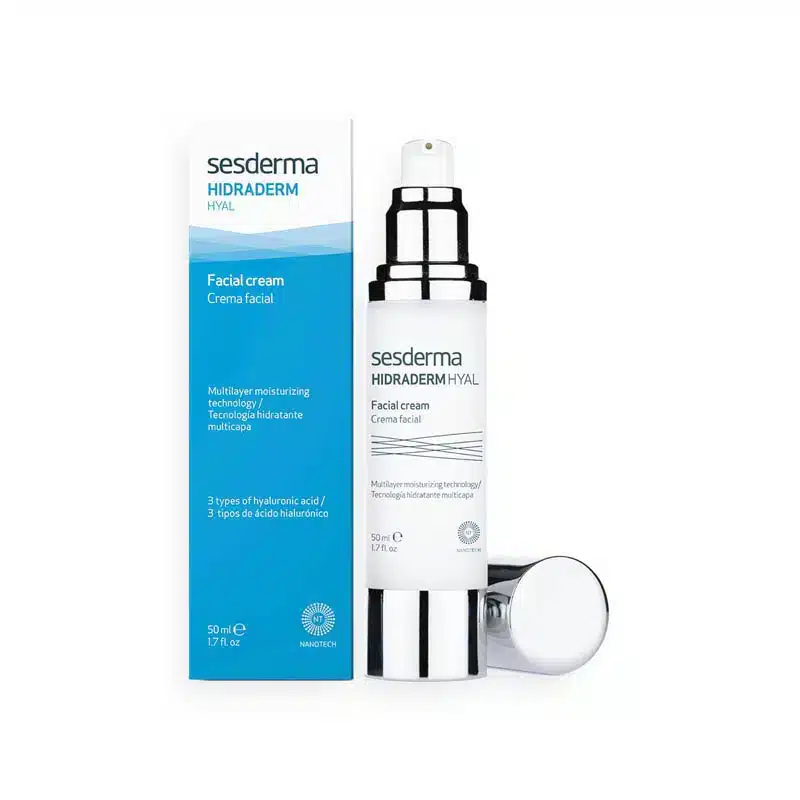
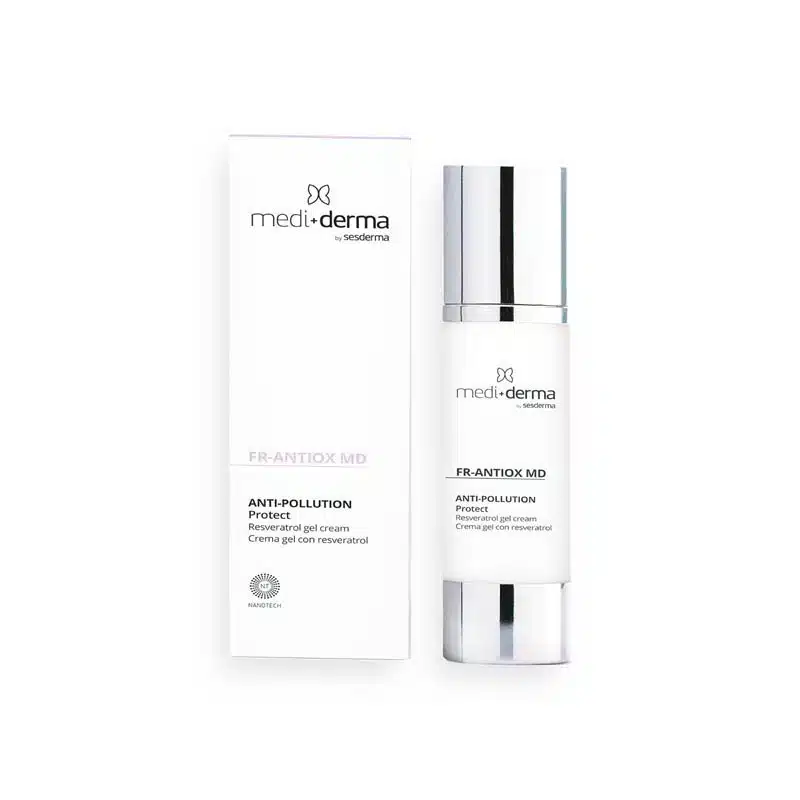
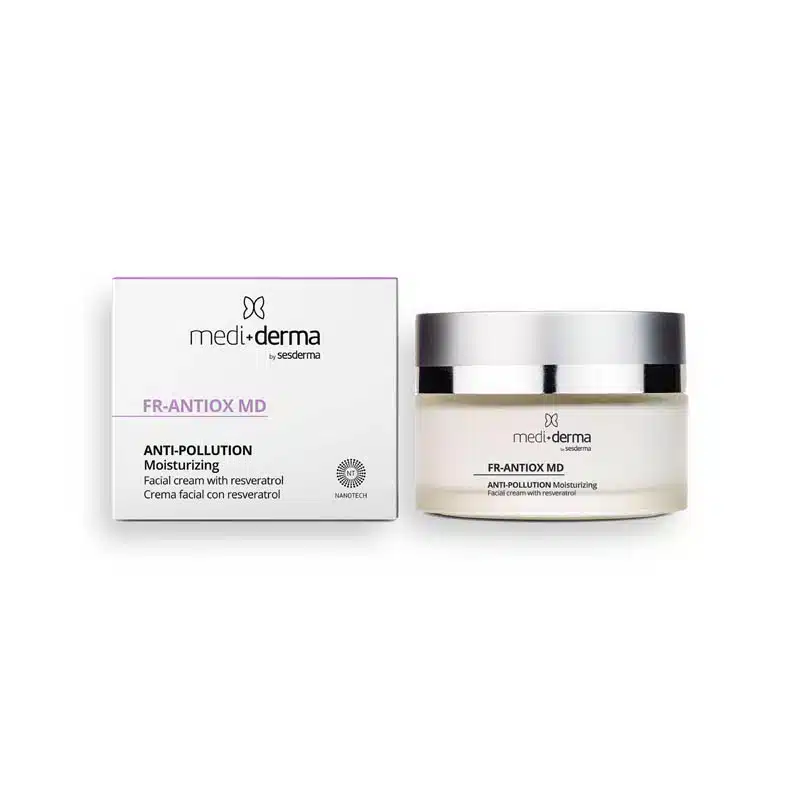
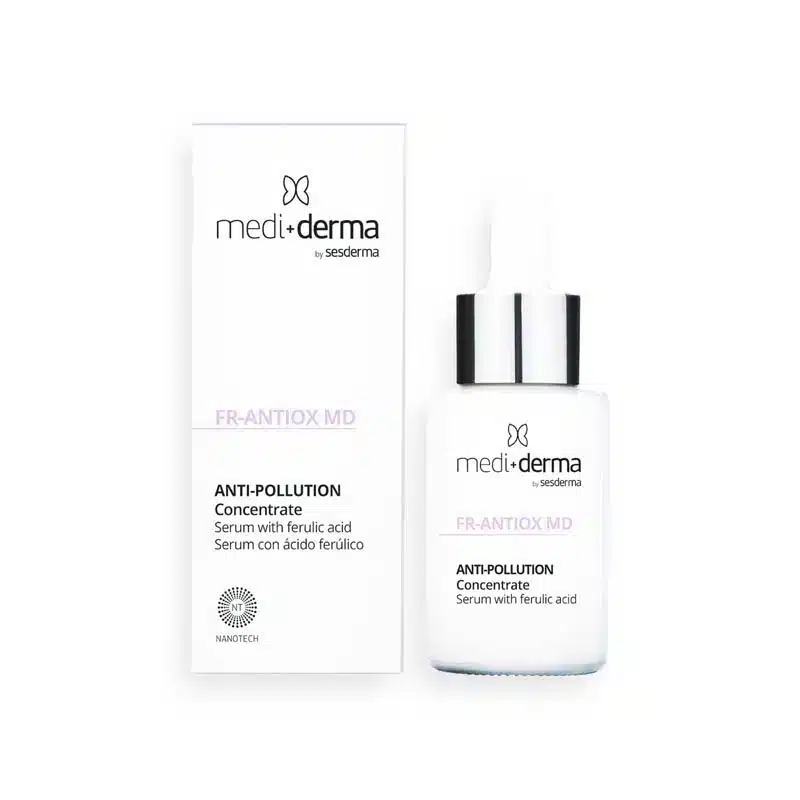
Global Best Sellers

Buy Professional Skincare at Wholesale Prices
Stock authentic professional skincare at wholesale prices through Med Supply Solutions. Clinics can buy cosmeceuticals wholesale across all four brands, and buy professional skincare online with fast shipping, no minimum order, and tiered pricing on larger restocks. Browse the available products above, or contact the Med Supply Solutions support team for help assembling a clinic-ready assortment.Professional Skincare Brands We Carry
Depigmentation and Corrective Homecare
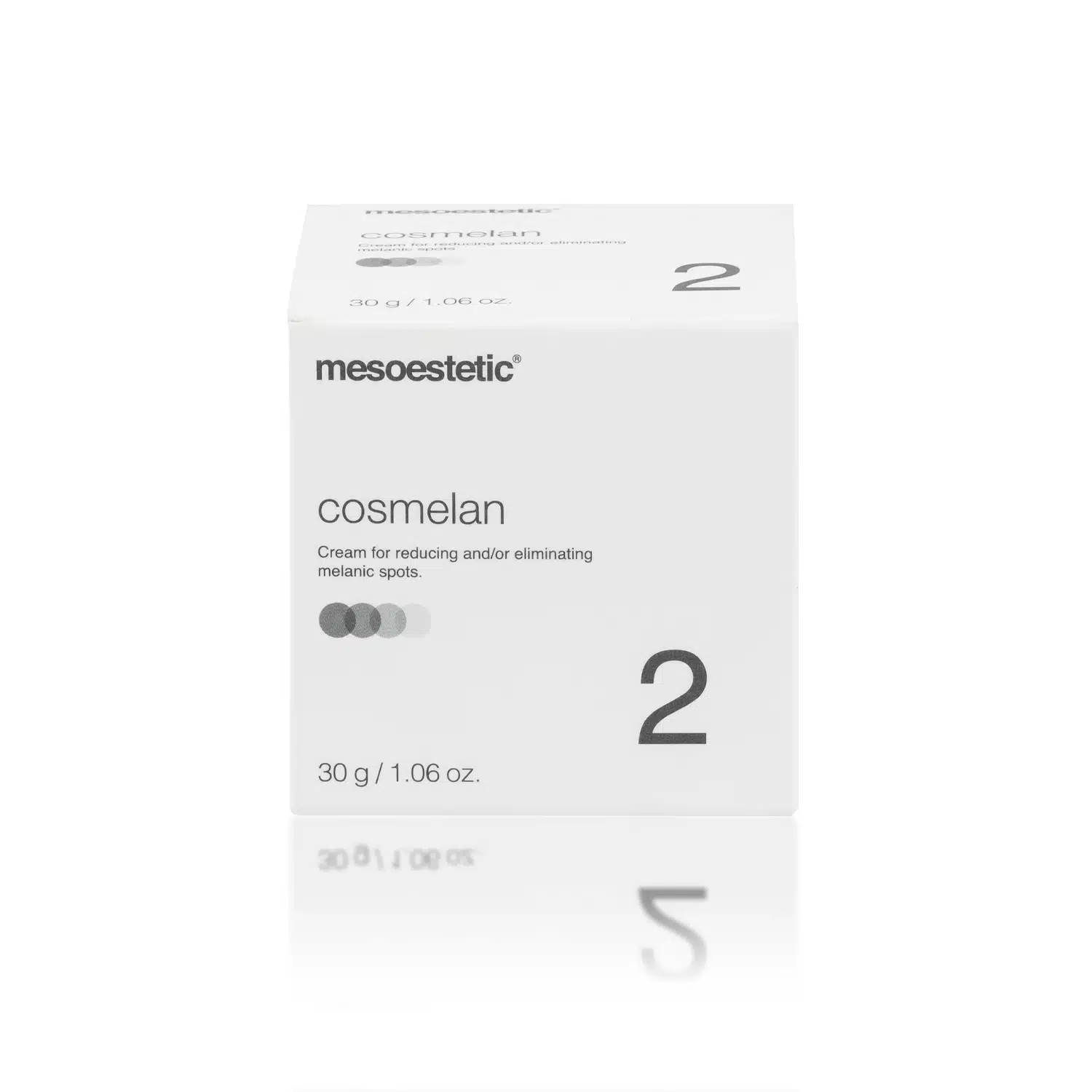
MESOESTETIC® is best known for COSMELAN®, its professional depigmentation method combining an in-clinic phase with structured homecare. For clinics managing melasma and persistent hyperpigmentation, the protocol creates both a treatment service and a repeat-dispensing pathway through products such as Cosmelan 2 and Melan Recovery. MEDIDERMA® supports pigmentation protocols through MELASES TRX, azelaic acid formulations, and professional peels. The broader portfolio covers ferulic acid, retinol, tranexamic acid, and salicylic acid, giving clinics a practical range for pre-conditioning, treatment, and maintenance. SESDERMA® adds liposomal cosmeceuticals such as AZELAC® RU for uneven tone and discoloration. Its delivery-focused formulations let practitioners build daily regimens around pigment control, antioxidant support, and photoprotection.Anti-Aging and Photodamage
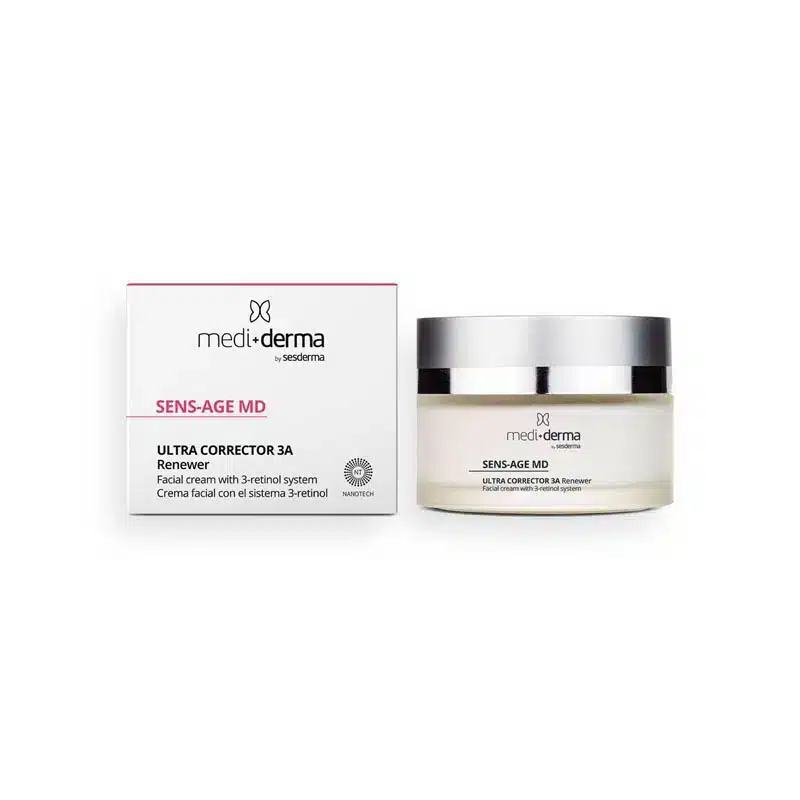
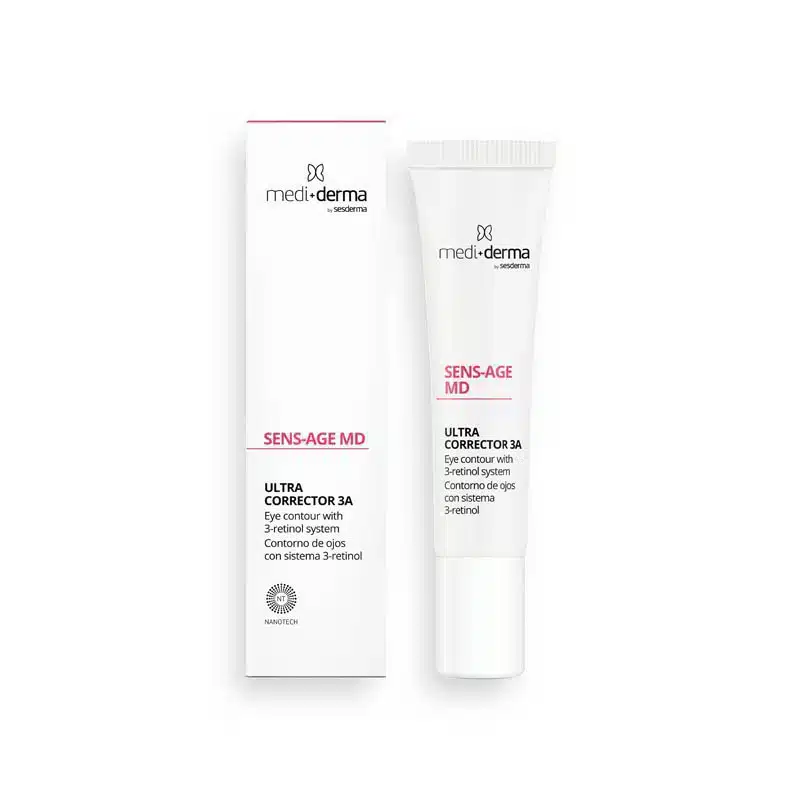
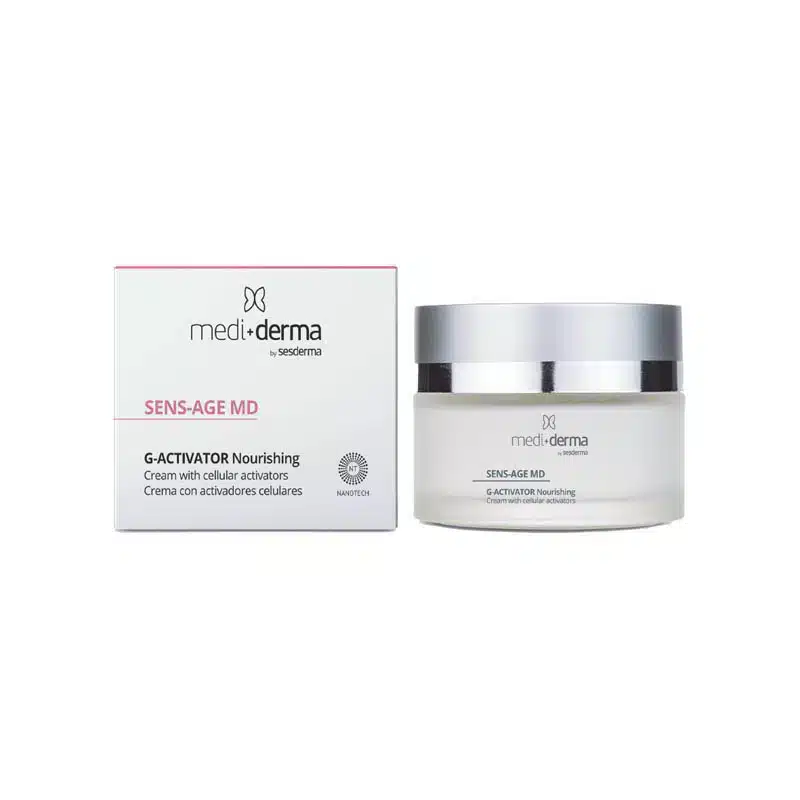
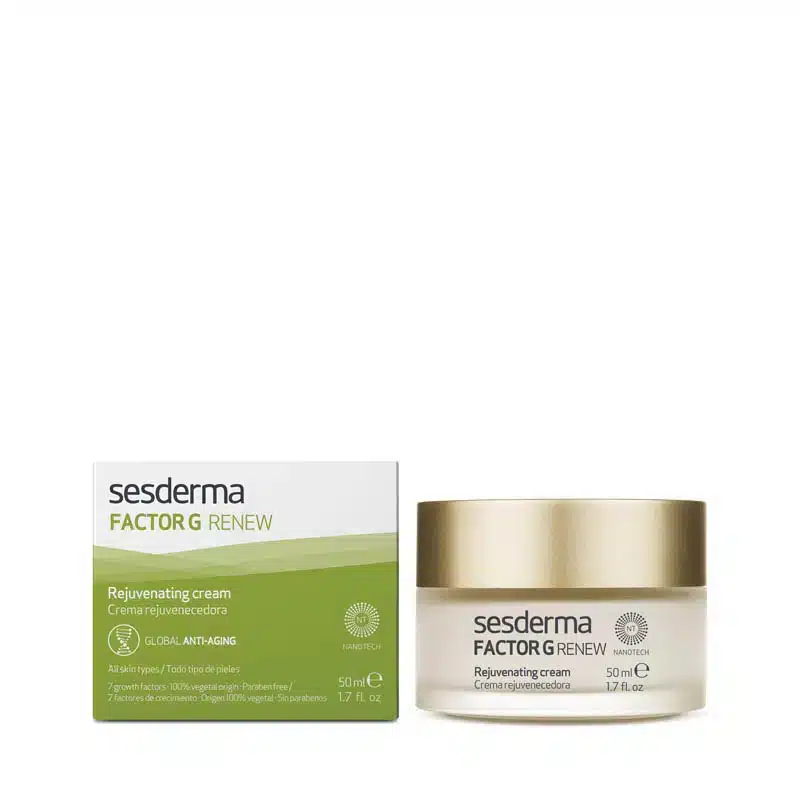
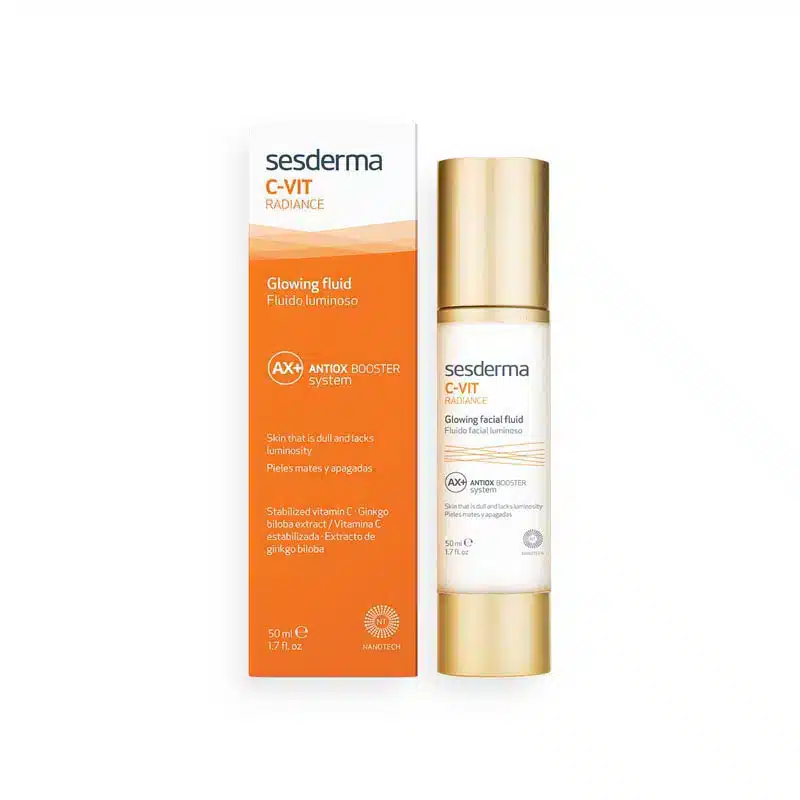
ZO® Skin Health, developed by Dr. Zein Obagi, is among the most recognizable practitioner-dispensed ranges and the one clinics are most often asked for by name. It covers exfoliation, retinol-based renewal, antioxidant care, and broad-spectrum photoprotection, with Complexion Renewal Pads and Smart Tone Broad-Spectrum SPF 50 commonly built into clinic regimens. MEDIDERMA® SENS-AGE and RETISES support retinol-led programs for texture, fine lines, and photodamage. SESDERMA® C-VIT adds vitamin C antioxidant care, and FACTOR G supports firming and age-management protocols.Acne, Oil Control, and Post-Procedure Care
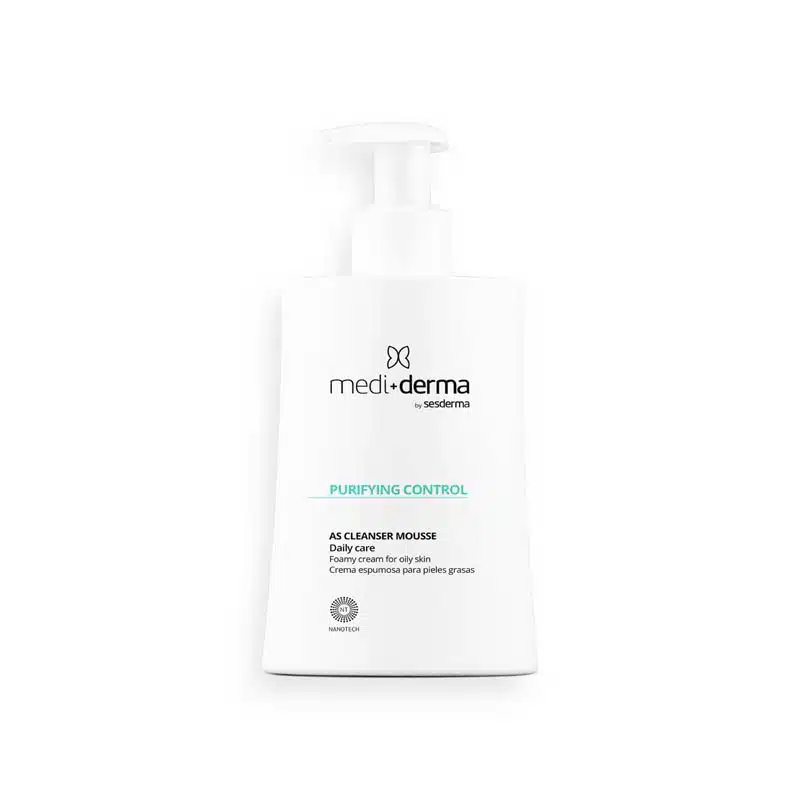
For acne-prone and oily skin, clinics can draw on ZO® Complexion Clearing Masque, MEDIDERMA® salicylic acid products, and supporting homecare aimed at oil control, maintained exfoliation, and reduced congestion. Post-peel and post-procedure regimens are then built around gentle cleansing, barrier repair, and daily sun protection rather than aggressive actives during recovery.Why Clinics Stock Professional Skincare
Skincare is the only line in an aesthetic practice a patient buys again without booking anything. Injectables bring someone back every three to four months and require a chair, a practitioner, and a slot in the diary. Cleansers, serums, treatment creams, and sunscreens are replaced as they run out, on a cycle closer to six to eight weeks, and the repeat purchase costs no clinical time at all. That makes it the highest-margin, lowest-labor revenue line most clinics run, and the one most often left underdeveloped. Clinics buying professional skincare wholesale are buying into a revenue line rather than a product set. Every injectable patient is already buying skincare somewhere, and a focused regimen keeps that spend inside the practice. Clinically, pre-conditioning can improve tolerance before peels and resurfacing, while post-procedure care supports barrier recovery, pigment control, and photoprotection. Once a patient leaves, the home regimen is the only part of the outcome a practitioner still influences. Sending someone home without product guidance leaves recovery to whatever they already own. Practitioner-dispensed skincare lets the clinic standardize that phase, prevent conflicting product use, and hold the treatment plan steady between appointments. Homecare is part of the treatment rather than an addition to it.Medical Grade Skincare for Clinics vs Retail Skincare
"Medical grade skincare" is used widely across the industry, but it does not correspond to a regulatory classification. In the United States, the FDA regulates a product according to its intended use and the claims made for it, which may make it a cosmetic, a drug, or both.[2] The label itself does not establish stronger ingredients, better evidence, or superior results. The more defensible differences are formulation, concentration, delivery, and supervision. Some professional lines offer higher-strength retinoids, exfoliating acids, and pigment-regulating ingredients than are typical in unsupervised retail products, and specific formulations such as SESDERMA®'s liposomal range are built around encapsulated delivery. Products of this kind can require more careful selection, gradual titration, and monitoring than a standard retail moisturizer or cleanser. That is not a rule covering every product on either side of the line. It means practitioners can select medical grade skincare for clinics on the basis of diagnosis, procedure history, tolerance, and treatment goals rather than mass-market merchandising. Evidence for individual cosmeceutical ingredients varies considerably, so selection is better made ingredient by ingredient than on the strength of the category label.[1]Skincare by Clinical Indication
Hyperpigmentation and Melasma
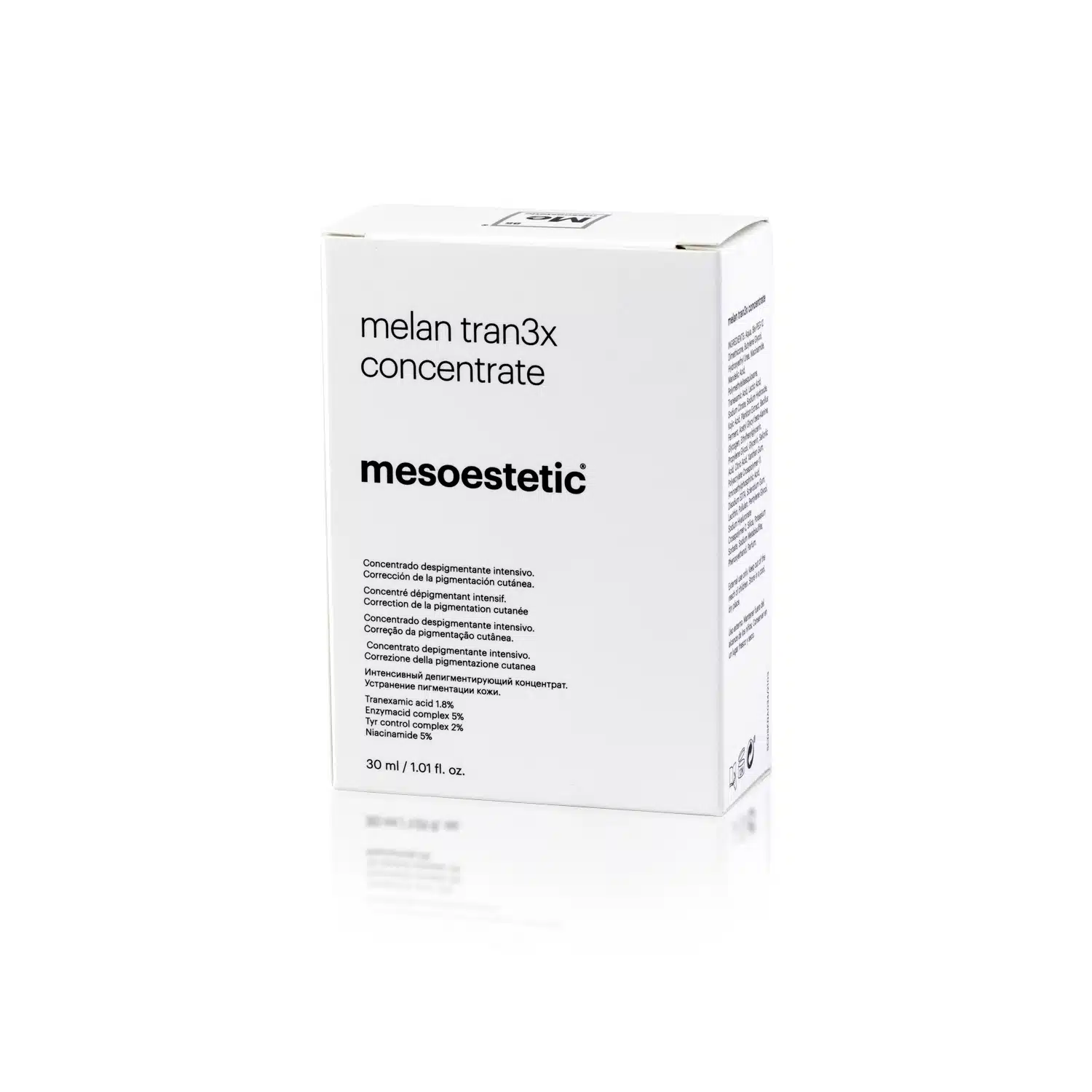
MESOESTETIC® COSMELAN® is a structured professional depigmentation method with an in-clinic component followed by homecare. MEDIDERMA® MELASES TRX and tranexamic acid formulations offer additional pigment-focused options, and SESDERMA® AZELAC® RU supports daily management of uneven tone. These protocols should always be paired with strict photoprotection.Aging and Photodamage
Retinol products such as MEDIDERMA® RETISES and SENS-AGE can be used in carefully titrated renewal programs. SESDERMA® C-VIT adds antioxidant vitamin C care, and FACTOR G supports firming and age-management regimens. Selection should reflect tolerance, previous retinoid exposure, and the timing of any peel, laser, or injectable treatment.Acne and Oily Skin
Salicylic acid products, ZO® Complexion Clearing Masque, and oil-control regimens support acne-prone skin between appointments. Routines built around exfoliation alone tend to backfire; cleansing, hydration, and sunscreen remain essential for maintaining the barrier and managing treatment-related irritation.Sensitive and Rosacea-Prone Skin
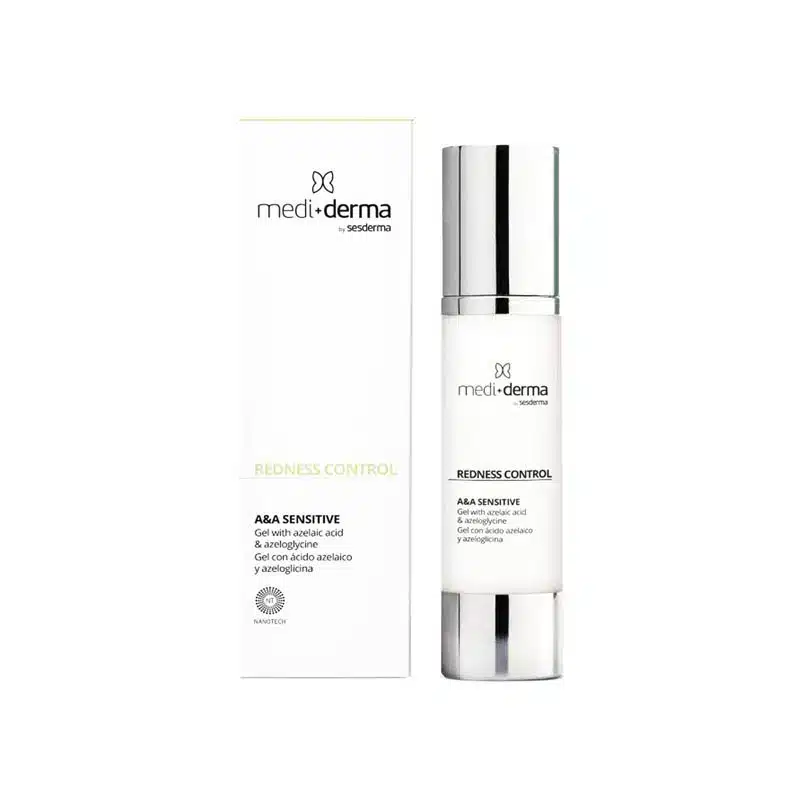
Azelaic acid and azeloglycine products can be useful for redness-prone or reactive skin. MEDIDERMA® REDNESS CONTROL and HYLANSES provide calming and hydration options, though active dermatitis or a compromised barrier should be stabilized before stronger corrective products are introduced.Photoprotection
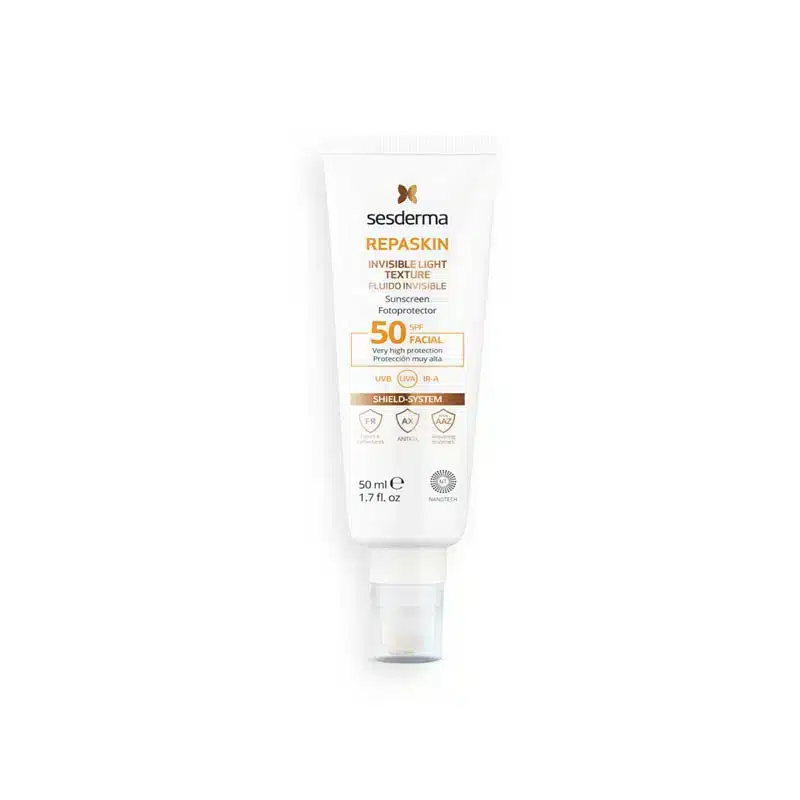
Daily sunscreen is usually the easiest first product to introduce, because it supports nearly every aesthetic and dermatologic protocol. ZO® Smart Tone Broad-Spectrum SPF 50 and SESDERMA® REPASKIN SPF 50+ are practitioner-dispensed options for daily use. SPF is also the most frequently replenished item in most regimens, which makes it the natural entry point into a clinic retail line.Post-Procedure Recovery
After a chemical peel or resurfacing procedure, homecare should prioritize gentle cleansing, barrier repair, and photoprotection. Strong retinoids, exfoliating acids, and other irritating actives stay paused until the skin has recovered, per the practitioner's protocol. Practitioners building broader skin-quality plans may combine homecare with mesotherapy injections.Professional Skincare Safety and Patient Guidance
Professional products can contain active ingredients that require structured use. Retinoids may cause dryness, peeling, irritation, and increased sun sensitivity, and should not be used during pregnancy. Alpha- and beta-hydroxy acids can disrupt the barrier when introduced too quickly or layered with other exfoliants. Patch testing and gradual titration matter most for sensitive or previously untreated skin. Depigmentation protocols, including COSMELAN®, should be followed exactly as specified. In the United States, over-the-counter hydroquinone skin-lightening products are not legally marketed, and prolonged or inappropriate exposure has been associated with irritation and ochronosis. Clinics should verify the formulation, regulatory status, and intended duration of any pigment-correcting product before dispensing it. Photoprotection is a clinical requirement alongside depigmentation, retinoid, and resurfacing protocols rather than an optional extra. Known hypersensitivity, active dermatitis, impaired barrier function, pregnancy, or breastfeeding may limit the use of specific products, particularly retinoids and certain depigmenting actives. Product instructions and individual assessment should govern every regimen.FAQs
What is the difference between professional skincare and retail skincare?
The practical differences can include active concentration, formulation, delivery system, and professional supervision, though these vary by product rather than applying across the whole category. Because "medical grade" is not a regulatory classification, clinics are better off assessing the actual ingredients, claims, and evidence behind a given product.Which professional skincare brands does Med Supply Solutions carry?
Med Supply Solutions carries ZO® Skin Health, MESOESTETIC®, MEDIDERMA®, and SESDERMA® across pigmentation, anti-aging, acne, post-procedure, and photoprotection categories. Clinics can buy ZO Skin Health wholesale or stock across all four brands in a single order.What is the COSMELAN® method?
COSMELAN® is Mesoestetic's professional depigmentation method. It combines an in-clinic treatment with a structured homecare phase, letting practices manage pigmentation through both the procedure and ongoing maintenance.What skincare should patients use after a chemical peel?
Post-peel care should focus on gentle cleansing, barrier repair, and broad-spectrum sunscreen. Retinoids, acids, and other potentially irritating actives should be paused until the skin has recovered and the practitioner clears their reintroduction.Is “medical grade skincare” a regulated term?
No. The FDA classifies products according to intended use and the claims made for them, not according to whether a brand describes them as medical grade.[2] The meaningful differences lie in the formulation, active ingredients, delivery system, evidence, and level of professional oversight.Can clinics buy professional skincare wholesale without a license?
Practitioner-dispensed lines generally require professional credentials before wholesale access is approved. Requirements vary by brand and by market.Where can clinics buy professional skincare wholesale?
Licensed clinics and medspas can buy professional skincare online from Med Supply Solutions, or purchase professional skincare online in bulk at tiered wholesale pricing. Browse the ranges above or contact the support team for stocking recommendations.Citations
[1] Levin J, Momin SB. How much do we really know about our favorite cosmeceutical ingredients? J Clin Aesthet Dermatol. 2010;3(2):22-41. https://pubmed.ncbi.nlm.nih.gov/20725560/ [2] U.S. Food and Drug Administration. Is It a Cosmetic, a Drug, or Both? (Or Is It Soap?). Updated September 11, 2024. https://www.fda.gov/cosmetics/cosmetics-laws-regulations/it-cosmetic-drug-or-both-or-it-soap For licensed healthcare professionals only. The content of this page is provided for informational purposes and does not constitute medical advice.Best Sellers
Newsletter
Subscribe for exclusive offers and updates on new arrivals