Your Cart is Empty
Start shopping
Is Perfectha FDA Approved? Regulatory Insights and Safety Profile
David Fuller
Last Updated On:March 15, 2025
Discover the regulatory status and safety profile of Perfectha. Learn whether this popular hyaluronic acid-based dermal filler is FDA-approved and explore its global certification and safety standards
The safety of dermal fillers is a key concern for patients and practitioners. According to the American Society of Plastic Surgeons, hyaluronic acid (HA) fillers are among the most widely used cosmetic injectables due to their biocompatibility and minimal risk of adverse reactions. However, regulatory approval varies across different brands and countries, making verifying a product’s safety profile essential.
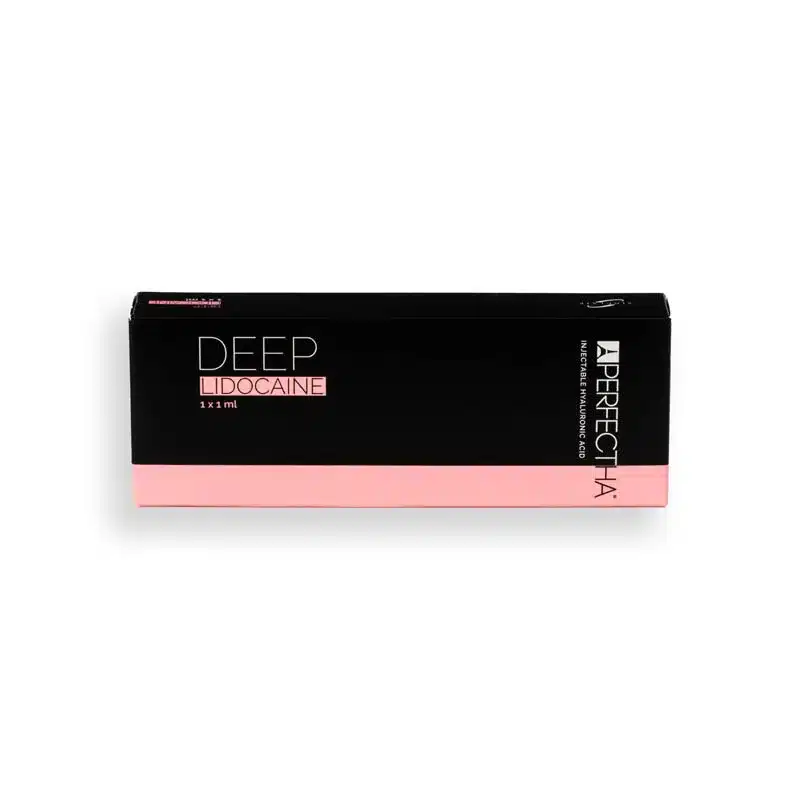
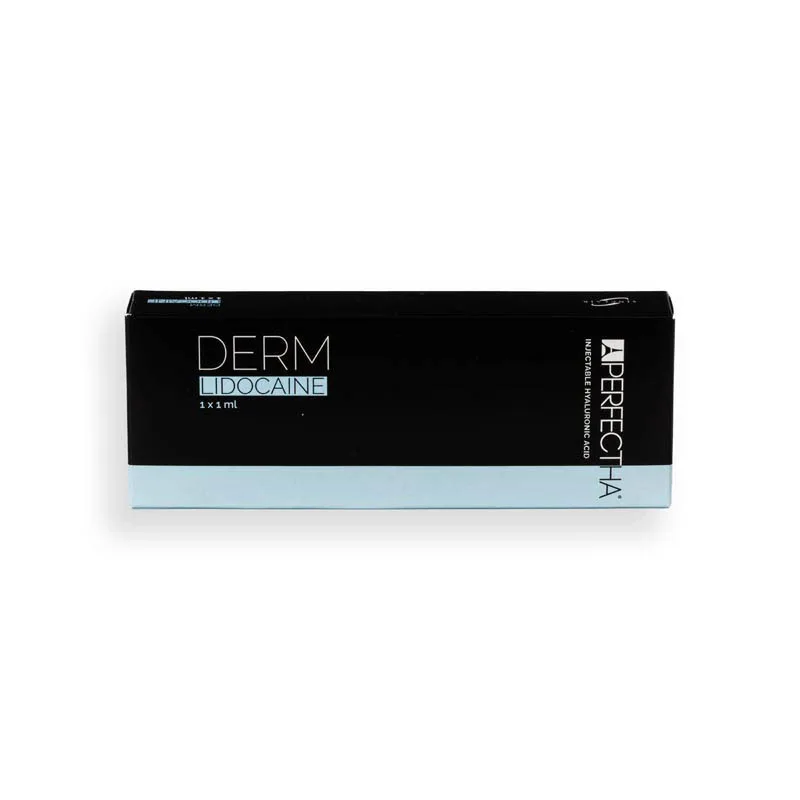
Perfectha is an HA-based filler for facial contouring, wrinkle reduction, and volume restoration. Understanding any injectable’s regulatory status and clinical safety data is crucial for informed decision-making. But how does it compare to other approved fillers?
This article will explore Perfectha’s FDA approval status, safety profile, and compliance with international regulatory standards.
Key Takeaways
- Perfectha is not FDA-approved for use in the U.S. but is approved in various international markets, including Europe and Canada.
- To ensure safety and efficacy, dermal fillers, including Perfectha, must undergo rigorous preclinical studies, clinical trials, and post-market surveillance.
- Clinical studies indicate that Perfectha has a low risk of adverse reactions when administered correctly, and can provide results lasting between 6 to 18 months.
- Common side effects include mild swelling and bruising, while rare complications may arise from improper injection techniques.
- Patients should choose board-certified dermatologists or plastic surgeons experienced in HA fillers to minimize risks.
- Proper post-treatment care is essential to achieving optimal results and preventing complications. This includes avoiding touch and heat exposure to the treated area.
About: Med Supply Solutions has been operating since 2016 and is known as one of the industry’s top and trusted suppliers of cosmetic and viscosupplementation products. Contact our sales department for more information about buying Perfectha fillers online.
Recommended products
FDA Approval Process for Dermal Fillers

The U.S. Food and Drug Administration (FDA) regulates dermal fillers to ensure their safety, effectiveness, and manufacturing quality. To receive FDA approval, fillers must undergo a rigorous evaluation process, which includes:
- Preclinical Studies: Laboratory and animal testing to assess biocompatibility.
- Clinical Trials: Human studies evaluating safety, effectiveness, and side effects.
- Post-Market Surveillance: Ongoing monitoring after approval to track adverse reactions.
Only fillers that meet these strict regulatory standards can be legally marketed in the U.S., ensuring patients receive safe and reliable aesthetic treatments.
Perfectha’s Regulatory Status in Different Regions
Currently, Perfectha is not FDA-approved for use in the United States. However, it has obtained regulatory approvals in multiple international markets, making it a trusted option in global medical aesthetics.
Where Is Perfectha Approved?
- Europe: CE-certified, indicating compliance with European safety standards.
- Canada: Approved by Health Canada for cosmetic applications.
- Asia and South America: Widely used in medical aesthetics with local approvals.
Since Perfectha is not FDA-cleared, it cannot be legally marketed or administered in the U.S. Patients seeking dermal filler treatments should consult licensed practitioners to explore alternative options.
Safety Considerations and Clinical Trial Data

Clinical studies have confirmed Perfectha’s safety and effectiveness in aesthetic treatments. Research shows that, when administered correctly, it has a low risk of adverse reactions, making it a reliable option for facial rejuvenation.
Trial results indicate that Perfectha can last between 6 and 18 months, depending on the formulation and treatment area. Its smooth consistency allows for natural integration, leading to high patient satisfaction rates.
Potential Side Effects
Like all dermal fillers, Perfectha carries some risks, including:
- Mild Swelling and Bruising: Common and temporary.
- Lump Formation: Usually avoidable with proper injection technique.
- Rare Complications: Infections or vascular occlusion if injected incorrectly.
Choosing an experienced injector is key to minimizing these risks and ensuring optimal results.
Best Practices for Ensuring Patient Safety
Selecting a qualified practitioner is essential for safe and successful treatment. Patients should seek a board-certified dermatologist or plastic surgeon with extensive experience in administering HA fillers. Verifying the injector’s credentials and expertise helps reduce risks and ensure optimal results. Additionally, discussing potential side effects and alternative treatments allows patients to make informed decisions about their cosmetic procedures.
Aftercare is also vital for minimizing complications and ensuring the best possible outcome. Patients should:
- Avoid touching or massaging the treated area for at least 24 hours to prevent filler displacement.
- Limit exposure to excessive heat, including saunas and direct sunlight, for a few days.
For those considering lip enhancement, Perfectha lip filler offers additional benefits worth exploring.
Conclusion
Although Perfectha is not FDA-approved, it has received regulatory clearance in many other regions, demonstrating its safety and effectiveness. Patients considering this filler should seek licensed professionals in approved markets and follow proper safety guidelines. Consulting a qualified provider is essential to determine the best treatment option and ensure safe, optimal results.
FAQs
1. Why isn’t Perfectha FDA approved?
Perfectha has not completed the FDA approval process, which requires extensive clinical trials in the U.S. However, it is approved in Europe and other regions.
2. Can I get Perfectha filler in the U.S.?
Since Perfectha is not FDA-approved, it is not legally available in the U.S. Patients should consider FDA-approved alternatives.
3. How does Perfectha compare to other fillers?
Perfectha offers a smooth consistency and natural-looking results, similar to leading fillers. However, its availability is limited in certain countries.
4. Is Perfectha safe to use?
Yes, Perfectha has undergone clinical testing and is considered safe in regions where it is approved. Choosing a skilled injector reduces the risk of complications.
References
American Society of Plastic Surgeons. “Plastic Surgery Statistics Report 2023.” American Society of Plastic Surgeons, n.d., https://www.plasticsurgery.org/documents/news/statistics/2023/plastic-surgery-statistics-report-2023.pdf.
Harvard Health Publishing. “Dermal Fillers: The Good, the Bad, and the Dangerous.” Harvard Health Blog, 15 July 2019, https://www.health.harvard.edu/blog/dermal-fillers-the-good-the-bad-and-the-dangerous-201907152561.