Your Cart is Empty
Start shopping
Jaydess IUD MRI Safety – Is It Safe?
David Fuller
Last Updated On:June 2, 2025
Is the Jaydess IUD safe for MRI scans? Learn about its materials, safety considerations, and guidelines for imaging procedures while using this contraceptive device.
Intrauterine devices (IUDs) rank among the most effective forms of reversible contraception, boasting a failure rate below 1% and high satisfaction among users. Globally, over 159 million women rely on IUDs due to their long-acting, low-maintenance nature. As usage increases, questions about their compatibility with medical imaging, especially MRI scans, have become increasingly important.
Jaydess, known for its smaller size and suitability for women who have not given birth, offers unique advantages. However, its design and material composition also raise important safety considerations when undergoing MRI procedures.
This article will explore the MRI safety of the Jaydess IUD, reviewing current scientific data, expert guidelines, and practical advice for users preparing for MRI scans.
Key Takeaways
- The Jaydess IUD is primarily made of non-ferromagnetic materials, including flexible plastic, a silver ring, and barium sulfate, making it compatible with MRI scans under certain conditions.
- Jaydess is classified as MR Conditional, meaning MRI scans are safe if performed within specific parameters, such as field strengths of up to 3.0 Tesla, scan durations of under 15 minutes, and controlled SAR levels.
- Collaboration between radiology and gynecology teams is crucial for confirming the device type, ensuring MRI protocol compliance, and monitoring the patient during the scanning process.
- Minor imaging artifacts may occur near the pelvic region due to the silver ring and barium sulfate, but typically do not interfere with diagnostic accuracy.
- Patients should always inform their healthcare providers of their Jaydess IUD before undergoing an MRI and ensure that scans are performed in accordance with established safety guidelines.
- Jaydess offers long-term contraception for up to 3 years, which aligns well with periodic MRI imaging schedules for most patients.
- Proper storage, handling, and adherence to manufacturer guidelines help maintain Jaydess’s safety profile and MRI compatibility.
About: Operating since 2016, Med Supply Solutions is known for being one of the industry’s top and trusted suppliers of cosmetic and viscosupplementation products. If you’re looking to buy Jaydess online, contact our sales department for more information.
Recommended products
Ready to Buy?
Sign In to Find the Best Option
MRI Safety and Device Composition
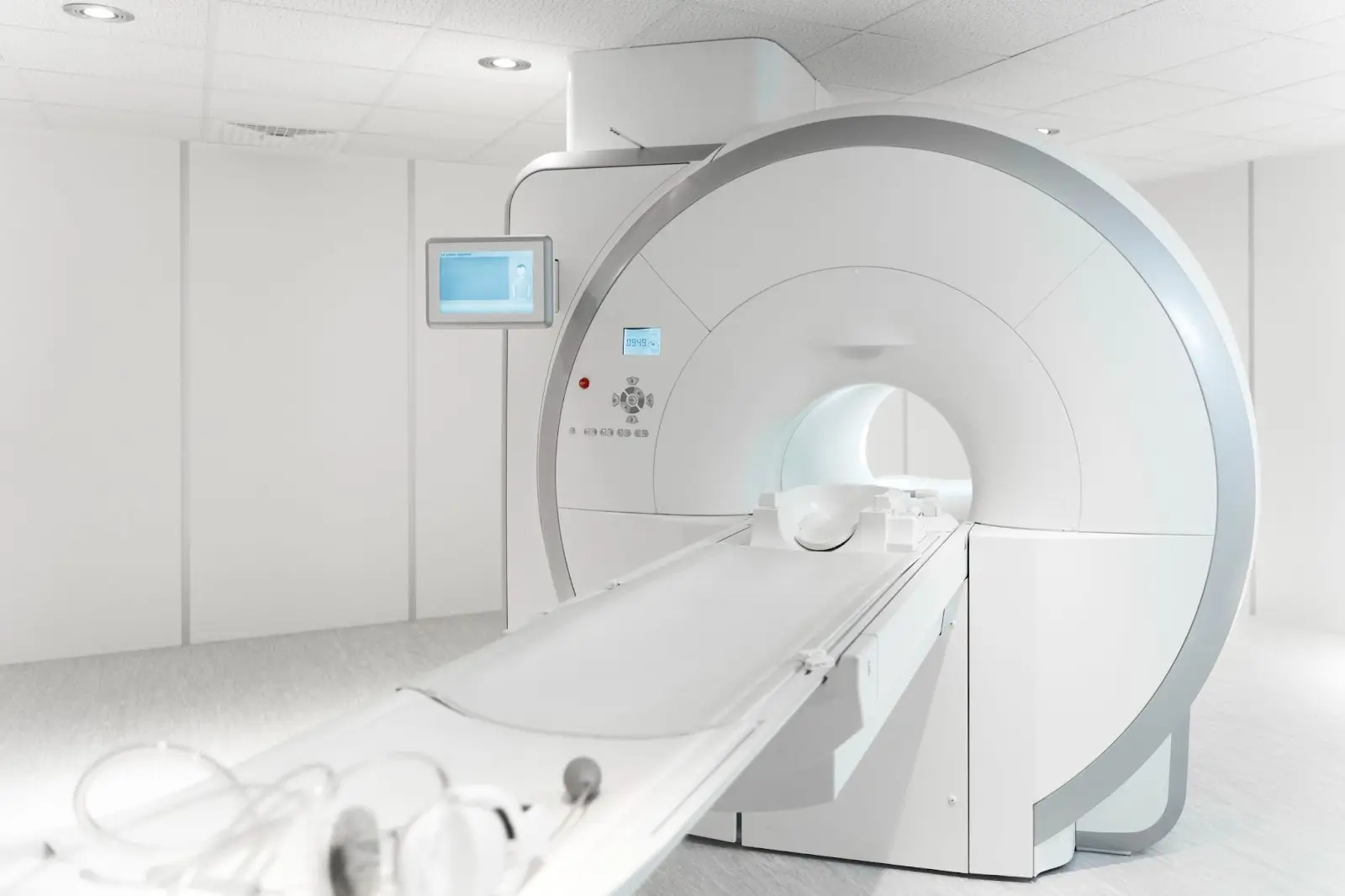
The Jaydess IUD is a T-shaped intrauterine system primarily made from flexible plastic (polyethylene) and contains 13.5 mg of levonorgestrel, a hormone released gradually to prevent pregnancy. It also features a silver ring for ultrasound visibility and barium sulfate for X-ray detection.
Crucially for MRI safety, Jaydess is composed of non-ferromagnetic materials, meaning it is not attracted to the magnetic field generated during MRI scans. The silver ring and barium sulfate components are stable and pose no risk of displacement or overheating when standard MRI safety protocols are followed.
The product’s design and material choices ensure that Jaydess is compatible with MRI procedures, providing peace of mind for patients requiring imaging.
MRI Safety Labeling – MR Safe or MR Conditional?
Medical devices are categorized by their interaction with MRI magnetic fields, guiding safe use during imaging. The three main labels are:
| MRI Safety Label | Definition | Implications for Patients |
| MR Safe | No known hazards in any MRI environment. | The device contains no metal or conductive components. MRI can proceed without restrictions. |
| MR Conditional | Safe under specific MRI conditions (e.g., field strength, SAR). | Requires adherence to scanning limits. Most modern implants, including Jaydess, fall under this category. |
| MR Unsafe | Known to pose risks in MRI environments. | Scanning should not be performed. The device may move, heat up, or malfunction in the presence of magnetic fields. |
Jaydess is classified as MR Conditional, meaning it can be safely scanned under defined parameters:
| MRI Condition | Jaydess IUD Requirement |
| Field Strength | MRI up to 3.0 Tesla only |
| Spatial Gradient | ≤ 36,000 Gauss/cm |
| SAR Limit | ≤ 4 W/kg, max 15 minutes scan time |
| Temperature Elevation | ≤ 1.8°C, clinically negligible |
Clinical data and manufacturer guidelines confirm that within these limits, Jaydess presents minimal risk, maintaining device stability and patient safety during MRI scans.
Jaydess IUD MRI Safety Guidelines for Radiology and Gynecology Teams

Safe imaging in patients with Jaydess requires close coordination between radiology and gynecology teams to prevent complications or compromised scans.
Key safety steps include the following:
- Device Confirmation: Always verify the exact IUD type via medical records or direct communication with the gynecologist to avoid misidentification.
- Pre-scan Assessment: Screen female patients of reproductive age for IUD presence. Consult safety databases (e.g., MRIsafety.com) and manufacturer info before proceeding.
- Parameter Compliance: Ensure MRI settings adhere strictly to Jaydess’s MR Conditional guidelines—field strength ≤ 3.0 Tesla, SAR ≤ 4 W/kg, and scan time under 15 minutes.
- Patient Monitoring: Though discomfort is rare, maintain verbal contact during scanning to quickly identify any unusual sensations or symptoms.
Following these measures optimizes imaging quality and patient safety, facilitating accurate diagnosis while preserving contraceptive function.
Jaydess IUD MRI Safety and Artifact Risk in Imaging
While Jaydess is safe for MRI use, it can cause minor imaging artifacts, particularly around the pelvic area. These artifacts appear as small distortions or signal voids near the device due to the silver ring and barium sulfate components.
Radiologists should be aware of these potential artifacts but can usually minimize their impact by adjusting scan parameters like bandwidth or echo time. In most cases, these distortions are a manageable trade-off for the benefits of retaining the IUD during imaging.
Patients often ask, “How long does Jaydess last?” The device typically provides effective contraception for up to three years, making it a long-term option that aligns well with the infrequent nature of MRI scanning needs.
Conclusion
MRI remains a vital diagnostic tool, and the presence of an IUD like Jaydess should not restrict patient access to this technology. Its MR Conditional classification and biocompatible design make it safe to undergo MRI under proper conditions.
Open communication between patients, radiologists, and gynecologists is essential. Always disclose the presence of an IUD before an MRI and confirm that imaging parameters meet safety requirements. With adherence to these protocols, Jaydess users can confidently receive necessary MRI scans without compromising their contraceptive protection or safety.
FAQs
1. Is it safe to undergo an MRI with a Jaydess IUD in place?
Yes. Jaydess is classified as MR Conditional, meaning it is safe during MRI procedures if specific scanning parameters are followed.
2. Will the Jaydess IUD cause issues during an MRI scan?
No major issues are expected. You may experience mild sensations during the scan, and some minor imaging artifacts can appear in pelvic imaging, but these usually don’t impact diagnostic clarity.
3. Should I tell my doctor or MRI technician about my IUD?
Absolutely. Always inform your healthcare provider or imaging technician about any implanted device, including IUDs like Jaydess, before your scan.
4. How long does Jaydess last?
Jaydess is effective for up to three years. It offers low-dose, hormone-based birth control without significantly affecting your ability to undergo medical imaging procedures like MRI.
References
Lanzola EL, Auber M, Ketvertis K. Intrauterine device placement and removal. [Updated 2025 Feb 14]. In: StatPearls [Internet]. Treasure Island (FL): StatPearls Publishing; 2025 Jan-. Available from: https://www.ncbi.nlm.nih.gov/books/NBK557403/..
Durante JC, Sims J, Jarin J, et al. Long-acting reversible contraception for adolescents: a review of practices to support better communication, counseling, and adherence. Adolesc Health Med Ther. 2023;14:97-114. Published 2023 May 5. doi:10.2147/AHMT.S374268.