
Only for Licensed Professionals
.webp)
Aqualyx vs Kybella – Comparing Fat Dissolving Products
David Fuller
Last Updated On: April 24, 2025
Non-surgical fat reduction has become increasingly popular, with more people opting for injectable treatments over traditional liposuction. According to the American Society of Plastic Surgeons, over 680,000 noninvasive fat reduction procedures—including injectables like Kybella—were performed in the U.S. in 2022, marking a steady upward trend. These procedures offer a less invasive way to address stubborn fat, especially in areas resistant to diet and exercise.
Among the most talked-about options are Aqualyx and Kybella, both designed to break down fat cells through targeted injections. While they serve similar purposes, their compositions, approval status, and clinical use differ in notable ways.
This article will compare Aqualyx vs Kybella, examining their ingredients, mechanisms, treatment areas, and expected results.
Key Takeaways
- Aqualyx and Kybella are both injectable treatments designed for non-surgical fat reduction, but they differ in composition, approval status, and ideal treatment areas.
- Kybella contains synthetic deoxycholic acid and is FDA-approved in the U.S. for treating submental fat (double chin).
- Aqualyx combines deoxycholic acid and galactose in a slow-release formula, making it suitable for larger or multiple body areas, and is widely used in Europe.
- Kybella typically produces faster results but with more noticeable swelling, while Aqualyx offers gradual fat reduction with less downtime.
- The choice between the two should be based on patient preferences, treatment goals, and the practitioner’s expertise.
About: Operating since 2016, Med Supply Solutions is known for being one of the industry’s top and trusted suppliers of cosmetic and viscosupplementation products. Contact our sales department for more information about buying Aqualyx online.

Composition and Mechanism of Action
Understanding how these injectables work starts with their ingredients. Though both target fat cells, their compositions vary slightly:
Aqualyx
- Contains deoxycholic acid bonded with a sugar-based compound (galactose).
- The formulation creates a slow-release system, gradually emulsifying fat cells.
- Typically used for larger or multiple areas across the body.
Kybella
- Made of pure synthetic deoxycholic acid, identical to the natural bile acid found in the body.
- Quickly disrupts fat cell membranes and is especially effective in small, confined areas like the chin.
In both treatments, the body processes and removes broken-down fat cells via natural metabolic functions. When administered properly, surrounding tissues remain unaffected. Many patients find it helpful to view Aqualyx before and after case studies to visualize how the fat reduction progresses gradually over multiple sessions.
Regulatory Approvals and Indications
When comparing Aqualyx vs. Kybella, regulatory approval plays a significant role in accessibility and trust.
- Kybella is FDA-approved in the United States (since 2015) for reducing submental fat (double chin). Known as Belkyra in Canada and Australia, it’s mainly used to contour the jawline. While some providers use it off-label for other areas, its official use is still limited to the chin.
- Aqualyx, meanwhile, carries a CE mark in Europe, meeting European health and safety standards. It’s popular in the UK, Germany, and Italy, where it’s used to treat multiple zones—chin, abdomen, thighs, flanks, back, and upper arms. Its wider approval range makes it a common choice for full-body contouring where permitted.
Administration Techniques and Protocols

Though both are injectables, their administration techniques and session frequency can differ based on the formulation and treatment area.
Aqualyx
- Injected using a cannula or fine needle, often paired with lidocaine.
- Typically requires 2 to 6 sessions, spaced 4 to 6 weeks apart.
- Swelling is usually mild, offering patients a low-downtime option.
Kybella
- Delivered through multiple micro-injections using a fine needle.
- Requires 2 to 4 sessions, spaced at least 4 weeks apart.
- Uses a treatment grid for symmetrical fat reduction.
- Swelling and tenderness can be more intense, especially after chin injections.
In both cases, practitioner expertise is critical, as injection depth and technique can significantly impact outcomes and safety.
Efficacy, Safety, and Patient Satisfaction
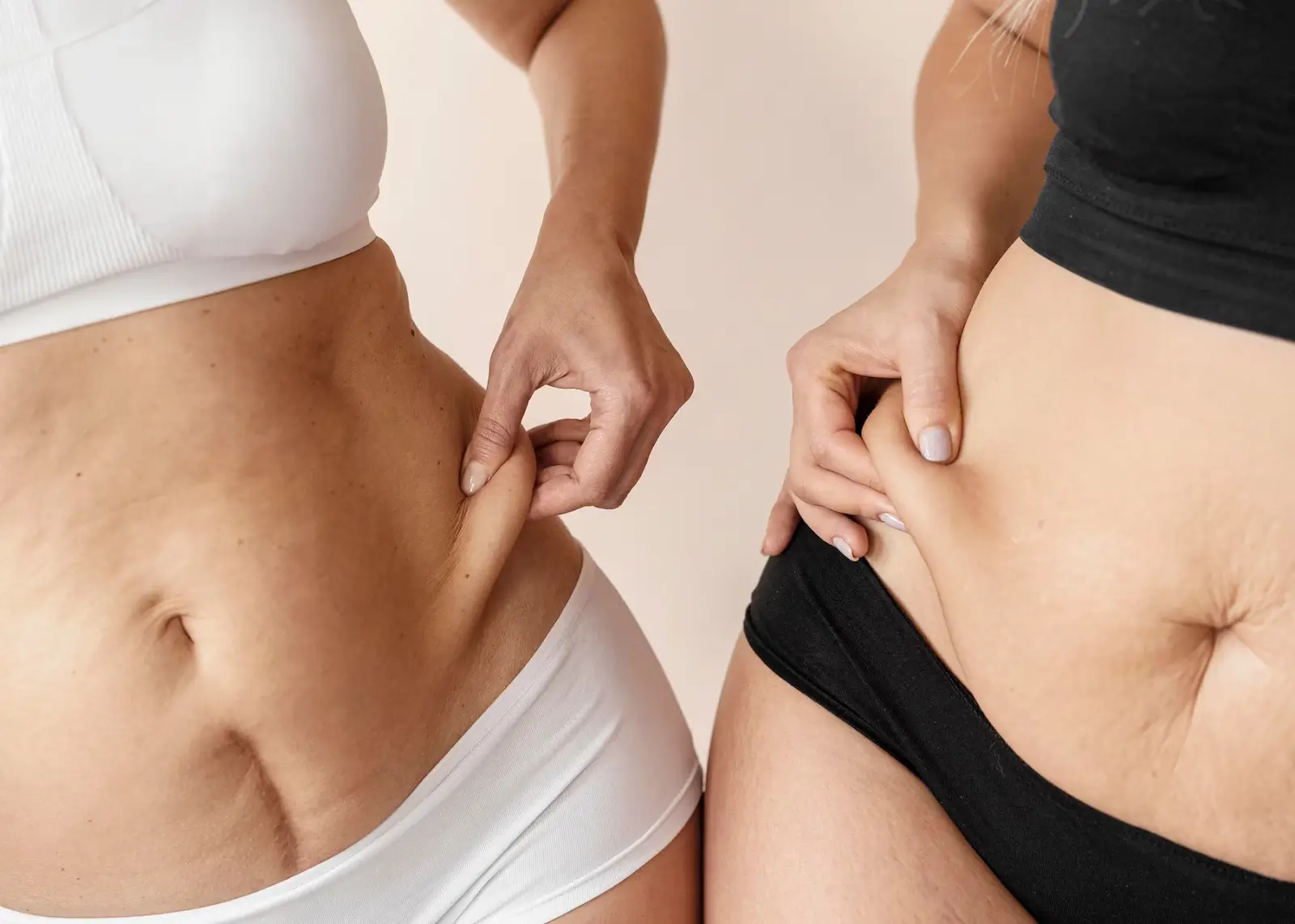
Both Aqualyx and Kybella demonstrate strong results in non-surgical fat reduction, but individual experiences may differ based on treatment goals, pain tolerance, and downtime expectations.
| Aspect | Aqualyx | Kybella |
| Results Timeline | Gradual fat reduction is seen after 2–3 sessions | Faster fat reduction, often visible after 1–2 sessions |
| Best For | Subtle, progressive improvement across various body areas | Quick fat reduction, especially in small areas like the chin |
| Downtime | Minimal downtime with fewer side effects | Noticeable swelling and tenderness post-treatment |
| Pain Level | Moderate discomfort that resolves quickly | More pronounced inflammation and firmness after injections |
| Treatment Areas | Chin, abdomen, thighs, flanks, back, arms | Submental area (chin); off-label use elsewhere |
| Patient Satisfaction | High, particularly for those preferring gradual changes | High, especially for patients wanting faster results |
Clinical reviews and patient feedback indicate high satisfaction levels for both treatments. The choice often hinges on desired speed of results and the number of areas being treated.
Conclusion
When comparing Aqualyx and Kybella, the most suitable option depends on the patient’s goals, treatment areas, and tolerance for downtime. Both treatments offer effective, non-surgical fat reduction, but differ in their formulation, regulatory status, and the speed of visible results.
Kybella, which holds FDA approval in the United States, is often preferred for individuals seeking a quick reduction of chin fat, even with a higher likelihood of post-treatment swelling and discomfort. On the other hand, Aqualyx is widely used in Europe and is better suited for those who wish to address larger or multiple areas with a more gradual fat reduction process and minimal downtime.
A qualified healthcare provider should guide patients in selecting the treatment that aligns best with their body sculpting needs, timeline, and personal comfort.
FAQs
1. Is Aqualyx or Kybella more painful?
Both treatments can cause discomfort, but Kybella often results in more noticeable swelling and pain in the days after treatment. Aqualyx, especially when combined with lidocaine, is generally milder in terms of discomfort.
2. Can I use Kybella on my stomach or thighs?
Kybella is only FDA-approved for use under the chin. While some providers offer it off-label for body fat, Aqualyx is better suited for larger areas like the abdomen or thighs.
3. How long do results last for Aqualyx and Kybella?
Results from both treatments are considered permanent, as the fat cells are destroyed. However, weight gain can still cause remaining fat cells to expand, so a healthy lifestyle is essential.
4. Which is more affordable: Aqualyx or Kybella?
Costs vary by provider and location, but Aqualyx is often more cost-effective for larger treatment areas. Kybella, being U.S.-branded and FDA-approved, may come at a higher price per session, especially for body areas beyond the chin.
References
American Society of Plastic Surgeons. 2022 Plastic Surgery Statistics. American Society of Plastic Surgeons. https://www.plasticsurgery.org/news/plastic-surgery-statistics?sub=2022+Plastic+Surgery+Statistics
Ross M. FDA approves treatment for fat below the chin. Pharmacy Times. https://www.pharmacytimes.com/view/fda-approves-treatment-for-fat-below-the-chin. Published March 4, 2021.
Products
Cart
Log In
Newsletter
Subscribe for exclusive offers and updates on new arrivals
Share feedback at:
Working Hours
MON - SUN 9AM to 6PM EST
The Most Popular Brands
Med Supply Solutions
Support
Secure checkout is guaranteed with full adherence to PCI DSS payment standards.
Products listed here are guaranteed authentic and manufacturer-sourced.
Pay easily with trusted providers


*Google and Apple Pay are currently only available via a direct link provided by your account manager.
Copyright 2026. Med Supply Solutions