Your Cart is Empty
Start shopping
Aliaxin vs Restylane – A Thorough Comparison
David Fuller
Last Updated On:August 28, 2026
Compare Aliaxin vs Restylane, two popular dermal fillers, by exploring their similarities, differences, and ideal applications.
The rising demand for non-surgical cosmetic enhancements has led to a growing variety of dermal fillers, with global revenue projected to reach about $8.8 billion by 2034. Choosing the right filler often hinges on subtle differences in formulation, longevity, and targeted results, making informed comparisons crucial for patients and practitioners.
Among the top contenders are Aliaxin and Restylane, both hyaluronic acid-based fillers widely recognized for their effectiveness in addressing wrinkles, restoring volume, and enhancing facial contours. While both offer impressive results, their unique formulations and specific applications cater to diverse aesthetic goals.
In this article, we will provide a detailed comparison of Aliaxin vs Restylane, focusing on their composition, uses, longevity, and suitability for various cosmetic treatments.
Key Takeaways
- Aliaxin is ideal for those seeking hydration, natural volume, and long-term collagen stimulation.
- Restylane offers versatility with a range of products designed for wrinkle reduction, volume restoration, and contouring.
- When comparing the two, Aliaxin’s smoother integration and hydration properties make it suitable for sensitive areas, while Restylane’s firmer texture is better for defined sculpting.
- Both fillers require skilled administration to maximize results and minimize potential side effects.
About: Operating since 2016, Med Supply Solutions is known for being one of the industry’s top and trusted suppliers of cosmetic and viscosupplementation products. Contact our sales department for more information about buying Aliaxin online.
Recommended products
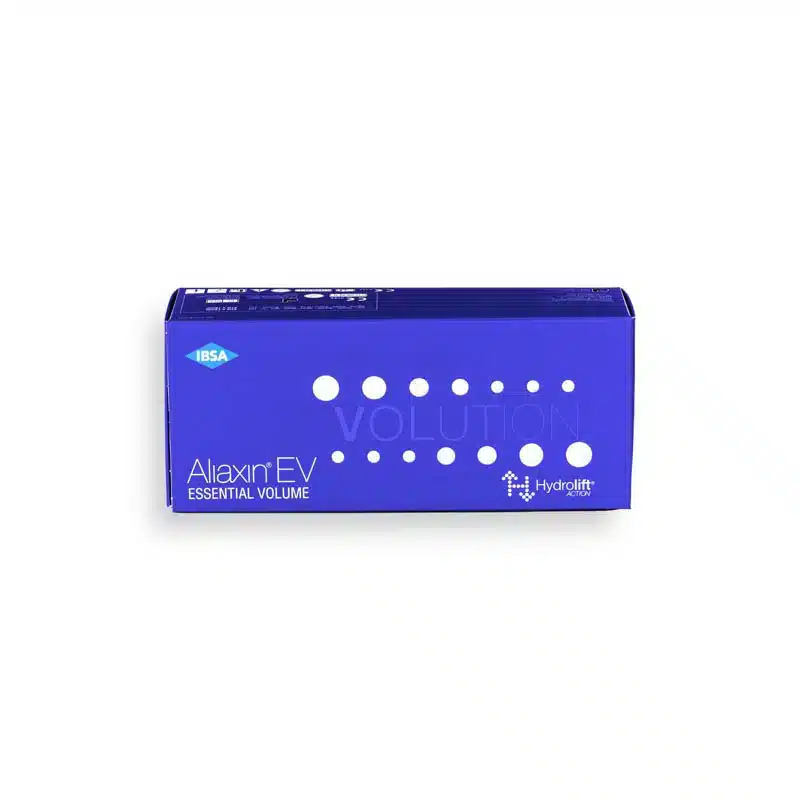
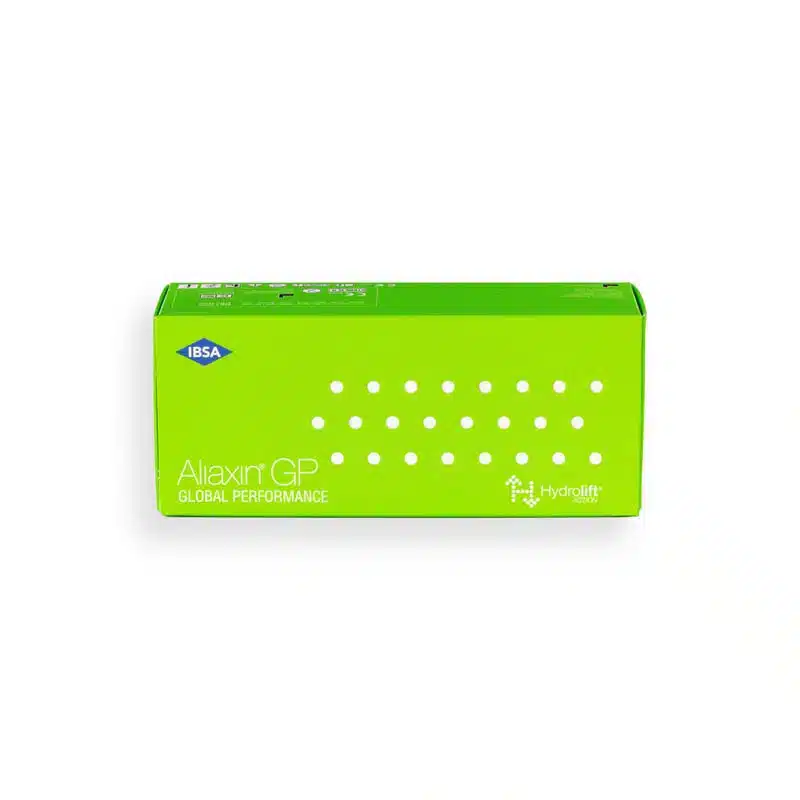
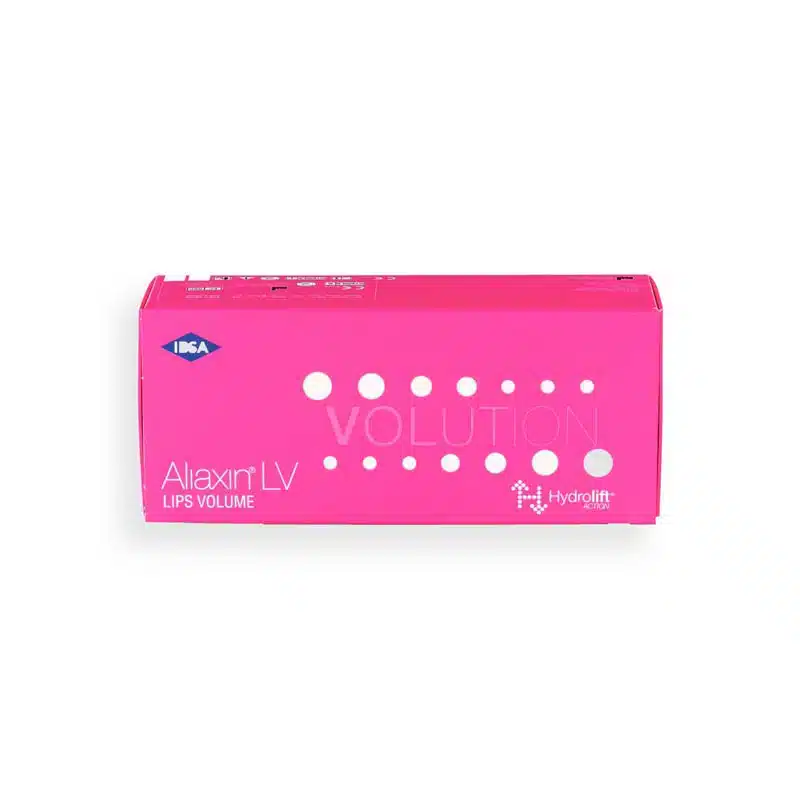
Introduction to Aliaxin and Restylane

Aliaxin and Restylane are two widely used dermal fillers formulated with hyaluronic acid to address signs of aging, such as wrinkles and volume loss. These products are pivotal in facial rejuvenation, offering tailored solutions for enhancing facial contours and skin quality [2].
While both fillers share a common base, they are designed for distinct purposes. Aliaxin is known for its ability to provide natural-looking results and improved skin quality, particularly for enhancing facial features and lips, supported by rheological and biological characterization of the Aliaxin range. On the other hand, Restylane has firmer options in its portfolio, such as Restylane Lyft, making it ideal for sculpting and defining facial contours where more structural support is needed.
By comparing these fillers’ features, longevity, and applications, medical professionals can ensure optimal outcomes that align with patient goals, delivering safe and lasting results.
Differences in Formulation and Gel Consistency
Aliaxin is known for its smooth, cohesive gel that provides natural results with minimal risk of lumping. This consistency suits fine lines and superficial areas, where precision and a natural feel are crucial, and in vitro work suggests favorable tissue integration and hydro‑lifting properties.
In contrast, Restylane offers a range of products with varying gel consistencies [3]. Restylane Lyft, for example, has a firmer, thicker gel designed for volume restoration and contouring in areas like cheeks and hands, with clinical data showing sustained improvement in nasolabial folds for up to 12 months in split‑face trials. Softer formulations such as Restylane Silk are more appropriate for lip enhancement and delicate areas around the mouth.
The differences in gel consistency between Aliaxin and Restylane influence their application and effectiveness in different treatment areas, allowing practitioners to choose the most appropriate filler based on the patient’s specific needs and desired outcomes.
Ideal Treatment Areas and Versatility
Aliaxin is renowned for its highly cohesive gel, making it particularly effective for subtle volume restoration, wrinkle reduction, and skin hydration. Due to its smooth texture, Aliaxin also excels in fine lines and superficial wrinkles, providing a natural look. Additionally, specific Aliaxin formulations are designed for lip enhancement, offering soft, well-defined lips without excessive swelling.
With its broad range of products, Restylane caters to various aesthetic needs. It is versatile across different treatment areas, such as facial contouring, wrinkle reduction, and lip enhancement, with several Restylane products evaluated in randomized trials and clinical reviews
In terms of efficacy:
- Facial Contouring: Restylane’s firmer gels like Lyft provide superior support and volume, making it more effective for significant contouring compared to softer gels, with noninferiority to Restylane established for nasolabial folds and sustained responder rates beyond 6 months.
- Wrinkle Reduction: Both fillers are highly effective, but Aliaxin’s formulation may offer a smoother, more natural result for fine lines, while Restylane’s range allows for targeted treatment of various wrinkle depths based on particle size and rheology.
- Lip Enhancement: Aliaxin provides a soft, natural enhancement, while Restylane formulations for the lips allow for precise shaping and smoothing; clinical experience and published data support good patient satisfaction and durability in these indications.
Injection Techniques and Duration of Effects
Understanding the injection techniques and how long Aliaxin filler lasts or Restylane’s duration of effects can help patients and practitioners achieve the best possible outcomes and satisfaction with their treatments.
Practitioners administering Aliaxin fillers may use a linear threading technique or serial puncture method. These techniques involve inserting the needle at the correct depth and depositing the filler slowly to ensure even distribution, consistent with general best practice for hyaluronic acid fillers. Although its longevity can vary, Aliaxin fillers generally last 6 to 12 months, depending on factors such as the patient’s metabolism, lifestyle choices, and the area treated, with manufacturer data and clinical experience aligning with biophysical predictions from in vitro degradation and matrix stimulation studies.
Meanwhile, Restylane fillers are typically administered using cannulas or needles. The cannula technique involves a blunt-tipped cannula for a smoother injection process, reducing the risk of bruising and swelling. Restylane fillers are known for their long-lasting effects, lasting approximately 6 to 18 months depending on the specific product used and the area treated; randomized trials in nasolabial folds and other regions show meaningful aesthetic improvement for some formulations up to 12–18 months.
Potential Side Effects and Safety Profiles
Both Aliaxin and Restylane are considered safe when administered by qualified professionals. These fillers are formulated with hyaluronic acid, a substance naturally found in the body, which minimizes the risk of adverse reactions. Clinical studies of multiple HA fillers consistently report favorable safety profiles with mostly mild, transient injection‑site reactions.
However, as with any injectable treatment, some potential side effects may occur, including:
- Redness or swelling at the injection site
- Bruising or tenderness
- Mild pain during or after the procedure
- Temporary lumps or uneven texture in treated areas
- Rare cases of allergic reactions or vascular complications
These side effects are typically mild and resolve on their own within a few days, as documented in randomized trials and observational registries of HA fillers. To minimize risks, patients should always disclose their medical history and follow post-treatment care instructions provided by their practitioner, and clinicians should be prepared to manage rare complications (including with hyaluronidase when appropriate).
Clinical Outcomes and Patient Satisfaction
Doctors have seen good results with Aliaxin for making faces look younger. This filler helps fill in wrinkles and adds volume to the face and lips, with preclinical data indicating favorable tissue integration and stimulation of collagen in selected formulations. Each product works well for specific parts of the face. Patients report being very satisfied with how long the effects last and how their skin feels softer and smoother for a reasonable time.
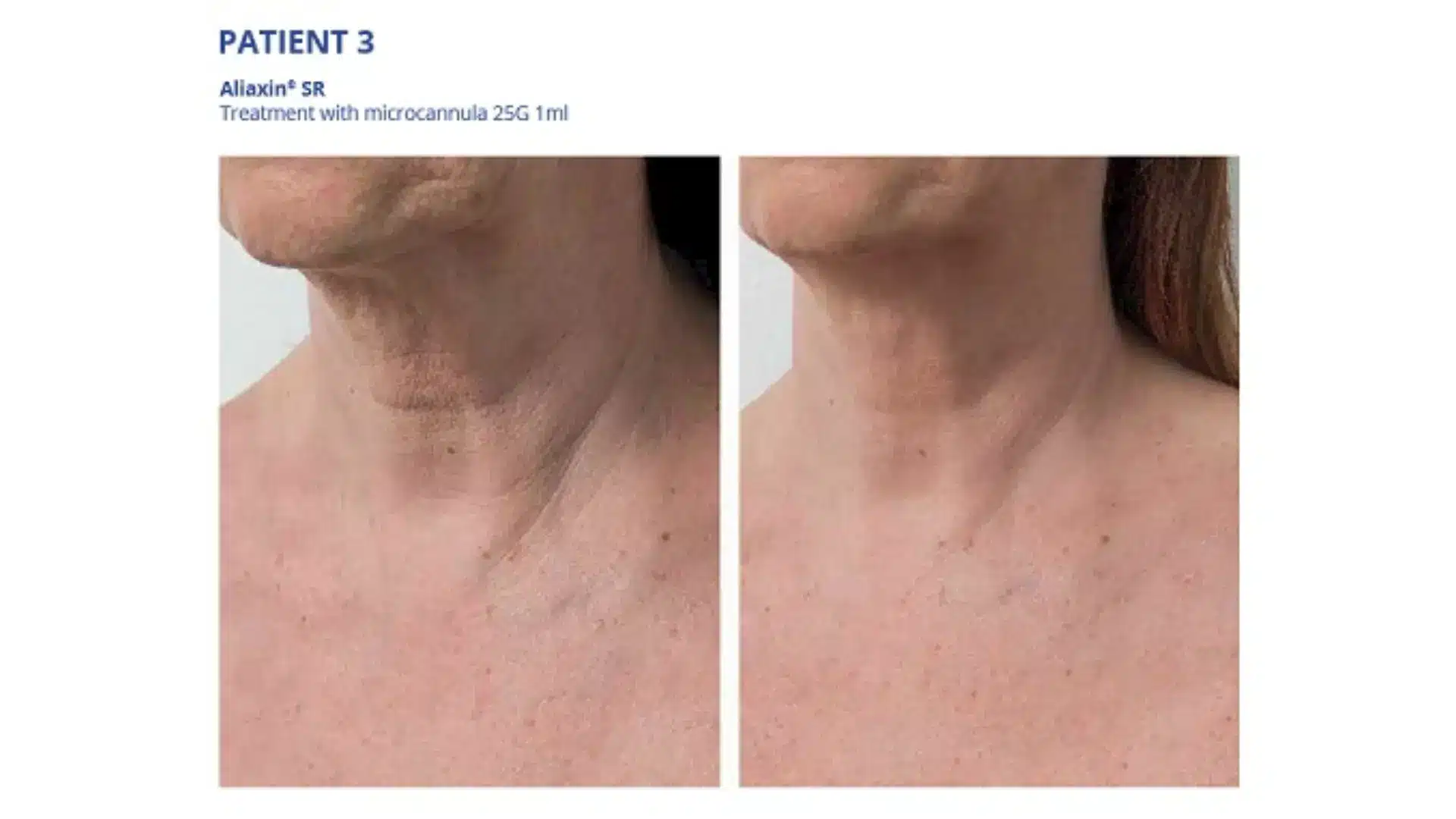
Image Courtesy of Consulting Room
For Restylane, patients and doctors alike have also observed positive outcomes in rejuvenating facial appearance. This filler effectively fills wrinkles and restores volume, especially in the face and lips, and multiple randomized trials in nasolabial folds and midface volume deficiency show high responder rates and sustained aesthetic improvement. Patients express satisfaction with the longevity of effects, appreciating the smooth, softer skin they experience for an extended period after treatment, and results are often praised for their natural-looking improvements.

Image Courtesy of Primera Plastic Surgery
Advantages and Limitations
Aliaxin stands out for its high-purity hyaluronic acid, which not only enhances facial volume but also provides deep hydration, making it particularly effective for patients with dry or dull skin. Its smooth integration into the skin ensures natural-looking results, reducing the risk of lumps or irregularities. Experimental work also supports its ability to stimulate collagen types IV and VII in certain formulations, contributing to improved elasticity and skin quality.
While versatile and widely trusted, Restylane has some limitations compared to Aliaxin. Certain Restylane products tend to be firmer, which may not be ideal for areas requiring softer fillers, such as under-eye hollows or lips. Moreover, in high-mobility areas like the lips or hands, some Restylane formulations may require more frequent touch-ups. Unlike Aliaxin, Restylane’s branding focuses more on structural support and wrinkle correction than hydration enhancement, which may matter for patients seeking added moisture benefits.
Conclusion
Both Aliaxin and Restylane are trusted names in the dermal filler industry, each offering unique benefits for facial rejuvenation. Aliaxin excels in delivering hydration and smooth, natural-looking results, making it an excellent choice for subtle enhancements. On the other hand, Restylane is renowned for its versatility and ability to sculpt and contour more pronounced areas.
Consulting with a qualified practitioner will ensure the right filler matches your aesthetic goals and preferences.
FAQs
1. How do I choose between Aliaxin and Restylane?
Your choice depends on your treatment goals. Aliaxin is better for hydration and subtle enhancements, while Restylane is ideal for sculpting and defined contouring.
2. Which filler lasts longer, Aliaxin or Restylane?
Aliaxin typically provides results lasting 6–12 months, depending on the formulation, treatment area, and individual factors. Meanwhile, Restylane’s duration varies by product and area but generally ranges from about 6–18 months.
3. Are there any specific side effects associated with Aliaxin?
Like all fillers, Aliaxin may cause temporary swelling, bruising, or redness at the injection site. These typically resolve within a few days.
Citations
[1] Sharma, Anurag. “Dermal Fillers Market.” Future Market Insights, 7 Apr. 2026, www.futuremarketinsights.com/reports/dermal-fillers-market.
[2] Hersant, B., et al. “Assessment Tools for Facial Rejuvenation Treatment: A Review.” Aesthetic Plastic Surgery, vol. 40, no. 4, May 2016, pp. 556–65. https://doi.org/10.1007/s00266-016-0640-y.
[3] Rohrich, Rod J., et al. “The Role of Hyaluronic Acid Fillers (Restylane) in Facial Cosmetic Surgery: Review and Technical Considerations.” Plastic & Reconstructive Surgery, vol. 120, no. Supplement, Oct. 2007, pp. 41S-54S. https://doi.org/10.1097/01.prs.0000248794.63898.0f.