Your Cart is Empty
Start shopping
Lanluma Hip Dips – Shaping Silhouettes
David Fuller
Last Updated On:May 19, 2025
Discover how Lanluma enhances hip dips, reshaping your silhouette for a natural, contoured look.
A recent survey by the British Association of Aesthetic Plastic Surgeons (BAAPS) reveals a rising interest in body contouring procedures, particularly among women aged 25 to 40. As part of this trend, awareness of hip dips—the natural inward curves just below the hip bones—has grown, prompting more individuals to seek treatments that create a smoother, more contoured silhouette.
In response, aesthetic medicine has introduced innovative, non-surgical options that offer subtle yet long-lasting enhancement. Among them is Lanluma, an injectable poly-L-lactic acid (PLLA) collagen stimulator that gradually restores volume by encouraging the body’s natural collagen production. This bio-stimulating approach results in natural-looking improvements, effectively addressing hip dips without the need for implants or surgery.
This article explores how Lanluma helps reshape hip contours, what patients can expect before and after treatment, and the key benefits, risks, and candidate suitability for this increasingly popular procedure.
Key Takeaways
- Lanluma is a non-surgical, collagen-stimulating injectable made of poly-L-lactic acid (PLLA), used to improve body contours, including hip dips.
- It stimulates collagen production over time, leading to gradual, natural-looking volume enhancement in the targeted area.
- Ideal candidates are healthy individuals seeking subtle contour improvements without the downtime or risks of surgery.
- The treatment typically involves 2–3 sessions spaced weeks apart, with results visible over 2 to 6 months and lasting up to 2 years or more.
- Compared to fat grafting, Lanluma offers a less invasive alternative with a lower complication rate and more predictable outcomes.
- Consultation with a qualified practitioner is essential to assess suitability, plan the injection technique, and discuss post-treatment care for best results.
About: Operating since 2016, Med Supply Solutions is known for being one of the industry’s top and trusted suppliers of cosmetic and viscosupplementation products. Contact our sales department for more information if you want to buy Lanluma Fillers online.
Recommended products
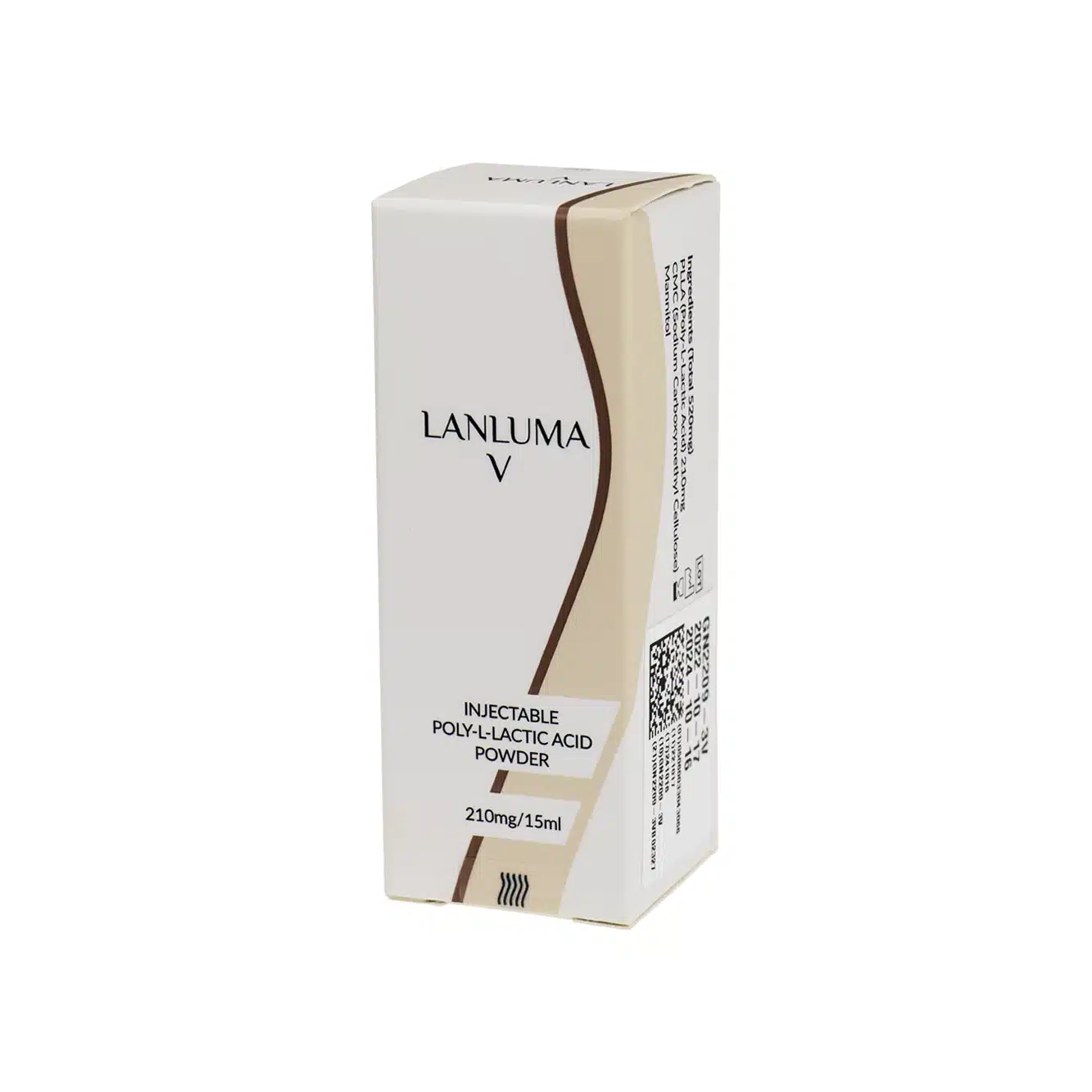
Patient Selection and Anatomical Considerations for Lanluma Hip Dip Correction

Ideal candidates for Lanluma hip dip correction are individuals wanting to enhance their natural hip shape without surgery. Candidates should be in good overall health, have no active skin infections in the treatment area, and hold realistic expectations—understanding that Lanluma delivers gradual, rather than immediate, results.
Hip dips, also known as violin hips, occur due to the natural skeletal structure, particularly the pelvic bone width and fat and muscle distribution in the upper thigh and hip region. These indentations are completely normal but may be perceived by some as disrupting the body’s visual symmetry. Lanluma addresses these anatomical dips by stimulating collagen production, filling the area with natural volume, and smoothing out contour irregularities over time.
Injection Techniques and Volume Guidelines for Lanluma Hip Dip Treatment
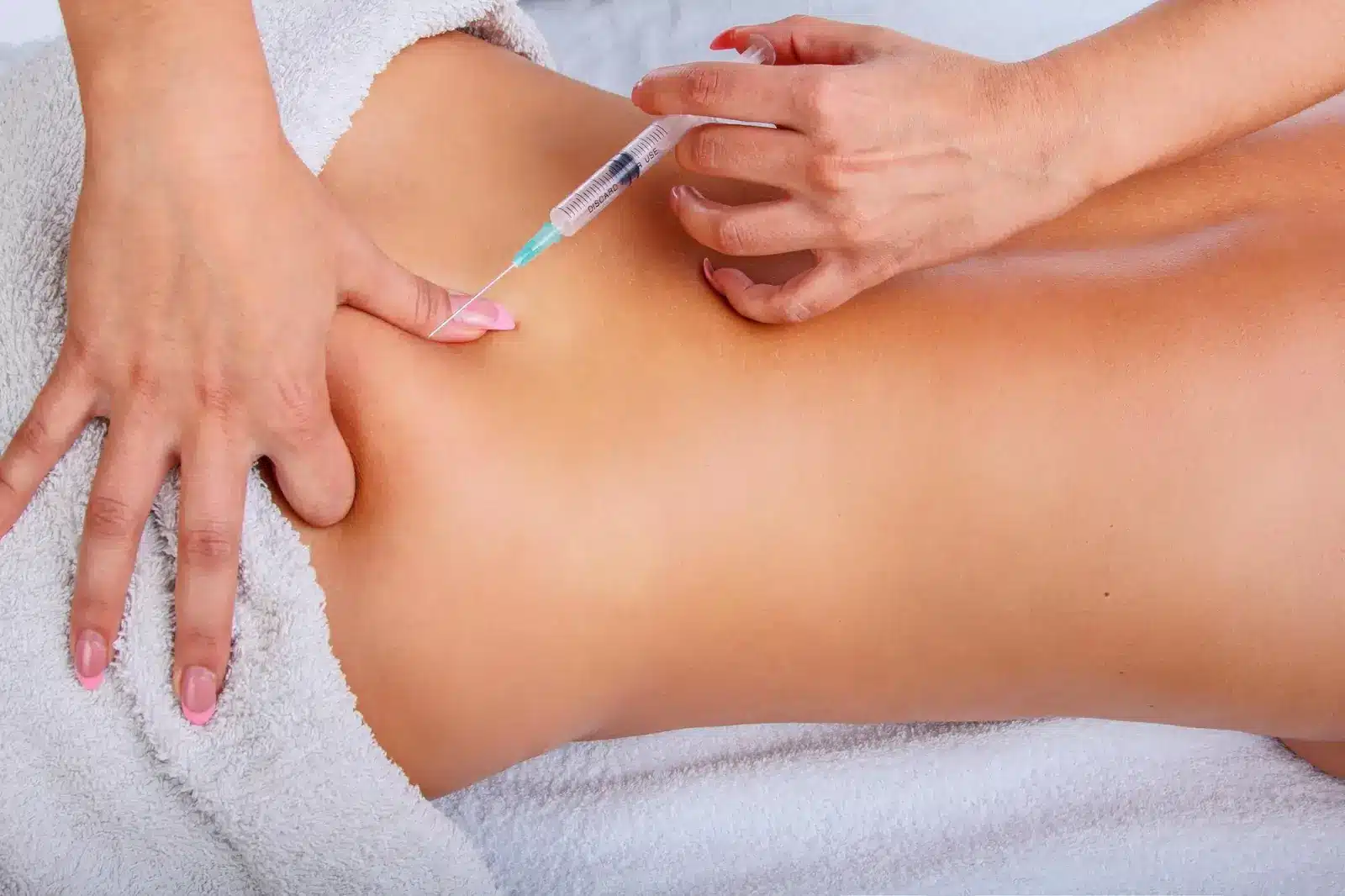
Correcting hip dips with Lanluma requires a tailored and strategic approach to ensure natural-looking and symmetrical results. Key procedural elements include:
- Injection Tools: Practitioners may use a blunt-tip cannula or a needle, depending on the tissue depth and desired accuracy. The cannula is generally preferred because it can reduce bruising and trauma.
- Injection Depth: Lanluma is injected into the deep subcutaneous layer, allowing for both immediate volume and long-term collagen stimulation.
- Dosage Considerations: Each session typically involves one to two vials per side, depending on the severity of the dip and patient goals. Multiple sessions may be required for optimal outcome.
- Treatment Frequency: Most patients undergo 2 to 3 sessions spaced 4 to 6 weeks apart to build gradual and lasting enhancement.
- Aftercare Protocols: Light massage of the treated area is often recommended for several days after the injection to aid even distribution and integration of the product.
These guidelines help ensure a safe treatment, maximize the longevity of results, and minimize risks such as unevenness or nodularity.
Expected Results and Collagen Remodeling Timeline with Lanluma
Patients typically notice early signs of volume restoration within the first few weeks, though this initial effect is partly due to the injection fluid. The actual transformation occurs progressively as collagen remodeling takes place.
Between 2 and 6 months post-treatment, the hips begin to take on a smoother and fuller appearance. This timeline reflects the body’s natural collagen response, a feature shared with Lanluma for face procedures, which also leverages PLLA to subtly rejuvenate facial volume over time.
Results can last up to two years or longer, especially with proper post-treatment care and maintenance sessions every 18–24 months. The outcome is natural, balanced, and tailored to the individual’s body shape and structure.
Lanluma vs Fat Grafting for Hip Dip Correction: Pros and Cons
When evaluating options for hip dip enhancement, both Lanluma and autologous fat grafting (fat transfer) offer viable solutions, each with unique characteristics.
| Aspect | Lanluma | Fat Grafting |
| Procedure Type | Non-surgical, injectable | Surgical, which involves liposuction and fat transfer |
| Downtime | Minimal, quick recovery | Longer recovery period |
| Results Onset | Gradually, over several months | Immediately, with some resorption over time |
| Longevity | Up to 2 years or more | Variable, some fat may not survive |
| Risks | Low, minimal side effects | Higher, includes surgical risks |
| Suitability | Ideal for those seeking subtle enhancements | Suitable for those desiring more dramatic changes |
While fat grafting remains suitable for those desiring dramatic transformations, Lanluma is favored for low-risk, natural-looking correction that integrates seamlessly into the body’s tissue.
Conclusion
Lanluma offers a compelling, non-surgical solution for individuals looking to address hip dips with minimal downtime and reliable, long-lasting results. By stimulating the body’s own collagen production, Lanluma enhances hip contours in a way that looks and feels natural, without requiring implants or surgery.
Practitioners can achieve consistent outcomes with precise injection techniques, appropriate patient selection, and well-timed maintenance. Whether addressing facial hollows or reshaping the hips, this bio-stimulating filler continues to prove its versatility. For anyone considering a gradual, regenerative approach to hip shaping, Lanluma remains one of the most promising innovations in aesthetic medicine today.
FAQs
1. How many Lanluma sessions will a patient need for hip dip correction?
Most patients require 2 to 3 sessions, spaced several weeks apart, to achieve optimal results. The exact number may vary based on individual anatomy and desired outcomes.
2. Is the Lanluma treatment painful?
Discomfort is typically minimal. Practitioners often use local anesthesia to enhance patient comfort during the procedure.
3. What are the side effects of Lanluma treatment?
Common side effects include temporary swelling, redness, or bruising at the injection site. These usually resolve within a few days.
4. Can patients combine Lanluma with other treatments?
Patients can combine Lanluma with other aesthetic treatments, such as facial rejuvenation procedures, for better results.
References
Cosmetic surgery boom. British Association of Aesthetic Plastic Surgeons. https://baaps.org.uk/media/press_releases/1872/cosmetic_surgery_boom
Lourenco L, Medeiros H, Ferreira L, Favoretto Dias de Oliveira N, Lopes R, Sigrist R. Hip dips technique: Filling lateral depressions with hyaluronic acid of large particles. Skin Health Dis. 2024;4(6):e461. Published 2024 Sep 26. doi:10.1002/ski2.461