Your Cart is Empty
Start shopping
Alidya vs Aqualyx – Comparing Two Cellulite Treatments
David Fuller
Last Updated On:January 29, 2025
Compare Alidya and Aqualyx—explore their differences, benefits, and ideal uses to determine the best cellulite treatment for your needs.
Cellulite, a condition affecting up to 90% of women regardless of age or body type, has been shown to impact self-esteem and confidence. Individuals with cellulite often report feelings of dissatisfaction with their appearance, which can lead to reduced quality of life. These psychological effects drive the growing demand for effective, non-surgical cellulite treatments.
Among the many available options, Alidya and Aqualyx stand out for their innovative approaches. Alidya is an injectable solution designed specifically for cellulite reduction, targeting underlying causes such as toxins and poor circulation. On the other hand, Aqualyx is primarily a fat-dissolving treatment but is also used to address stubborn areas that may contribute to cellulite.
In this article, we will compare Alidya vs Aqualyx, exploring their formulations, treatment applications, effectiveness, and suitability to help you make an informed decision.
Key Takeaways
- Alidya targets the root causes of cellulite by stimulating collagen production and improving skin texture with ingredients like amino acids and essential minerals. It is best suited for mild to moderate cellulite.
- Aqualyx focuses on localized fat deposits, using deoxycholate to dissolve fat cells. It effectively contours areas like the thighs, buttocks, and abdomen. It is more suitable for significant fat accumulation that contributes to cellulite.
- Alidya uses amino acids and minerals to rejuvenate skin, while Aqualyx employs deoxycholate to eliminate fat deposits.
- Alidya is suitable for patients with fibrous bands causing dimpled skin and minimal fat; Aqualyx is recommended for patients with more significant fat deposits.
- Evaluating cellulite type, skin laxity, fat volume, and patient expectations is crucial for determining the appropriate treatment.
About: Med Supply Solutions has been operating since 2016 and is known as one of the industry’s top and trusted suppliers of cosmetic and viscosupplementation products. Contact our sales department for more information about buying Alidya online.
How Alidya Works

Alidya is specifically designed to target cellulite by addressing its root causes. It stimulates collagen production, improving skin texture and elasticity. The active Alidya ingredients, including amino acids and essential minerals, combat oxidative stress and fat accumulation under the skin. Alidya rejuvenates the skin, making it smoother and evener. Its primary application is for mild to moderate cellulite.
The following are areas that Alidya works best on:
- Mild to moderate cellulite
- Areas such as thighs, hips, and buttocks
- Enhancing skin elasticity and texture
How Aqualyx Works
Aqualyx targets localized fat deposits, making it ideal for reducing cellulite in areas with stubborn fat. It contains deoxycholate, a compound that dissolves fat cells, which the body naturally eliminates. Aqualyx is particularly effective for patients with more significant fat accumulation contributing to cellulite, offering noticeable contouring benefits. The fat-dissolving mechanism makes it a go-to treatment for areas like thighs, buttocks, and abdomen.
The following are areas that Aqualiyx works best on:
- Significant fat deposits in areas like the abdomen, thighs, and buttocks
- Contouring localized fat while reducing the appearance of cellulite
- Patients seeking quicker results in fewer sessions
Alidya vs. Aqualyx: Key Differences
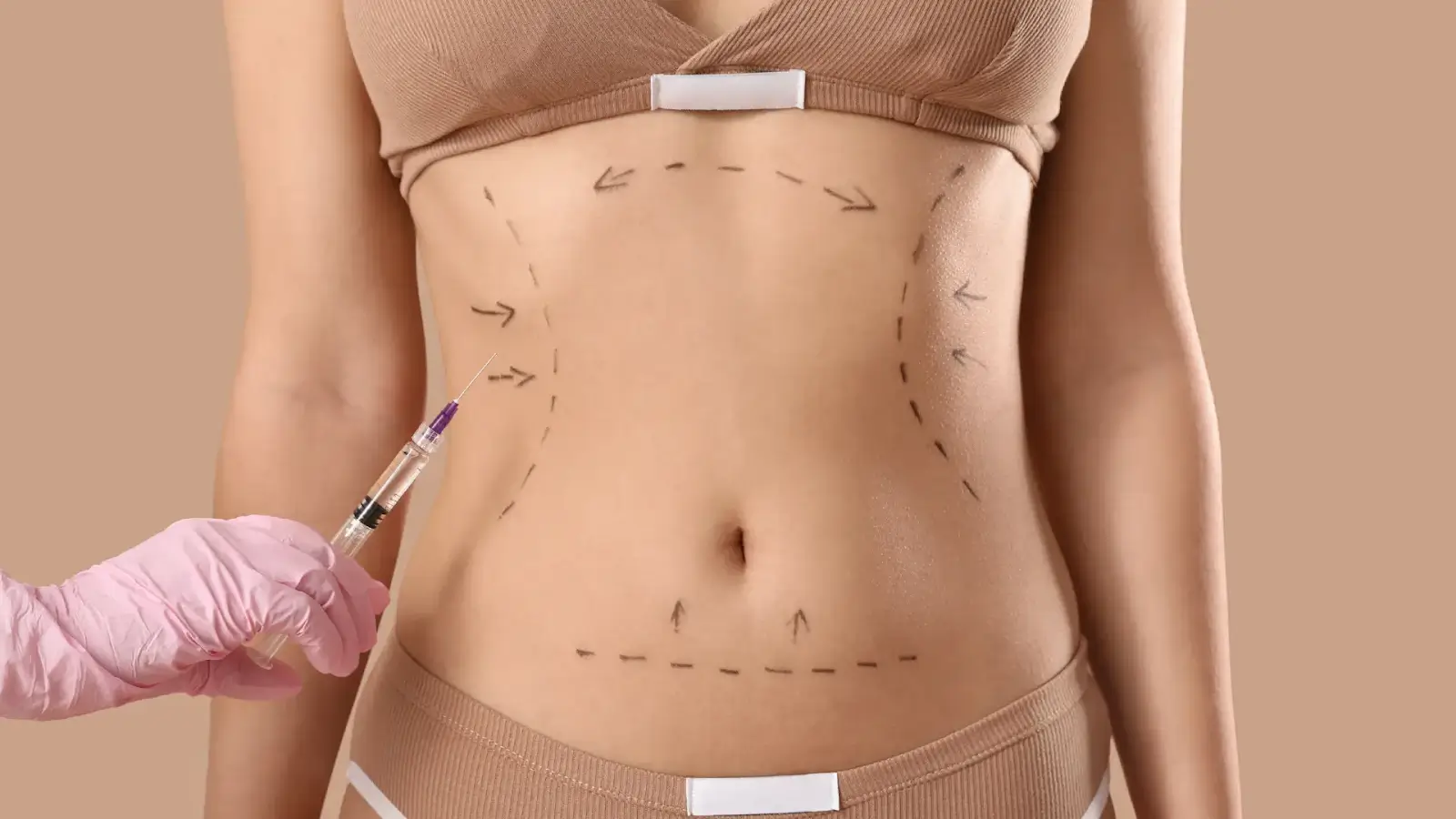
When comparing Alidya vs Aqualyx, their distinctions in formulation, action, and application become apparent:
Ingredients
- Alidya: Focuses on amino acids and minerals to rejuvenate skin and address cellulite.
- Aqualyx: Utilizes deoxycholate to break down and remove fat deposits.
Mechanism of Action
- Alidya: This product promotes collagen synthesis and improves microcirculation.
- Aqualyx: The product dissolves fat cells and reduces localized fat, impacting cellulite indirectly.
Treatment Areas
- Alidya: Best for mild to moderate cellulite on thighs, hips, and buttocks.
- Aqualyx: Suitable for treating cellulite with significant fat deposits in larger areas.
Side Effects
- Both treatments are minimally invasive, but Aqualyx commonly causes Aqualyx commonly causes swelling and bruising, while Alidya may cause mild redness.
Which Treatment is Right for Your Patients?

When deciding between Alidya and Aqualyx, understanding their unique applications and benefits is essential.
- Condition and Goals: Alidya is designed for reducing mild to moderate cellulite. Rejuvenating the skin and enhancing microcirculation improves skin texture and reduces the dimpled appearance of cellulite. In contrast, Aqualyx is ideal for eliminating localized fat deposits and works well for individuals looking to address stubborn fat and cellulite.
- Treatment Areas: Alidya works best on areas prone to cellulite, such as the thighs, hips, and buttocks. Aqualyx, on the other hand, is often used for larger regions with more prominent fat deposits, including the abdomen, flanks, and thighs.
- Alidya stimulates collagen production and promotes better blood flow to the treated area, directly addressing cellulite. Meanwhile, Aqualyx dissolves fat cells using deoxycholate, indirectly reducing the appearance of cellulite.
Conclusion
Alidya and Aqualyx are excellent options for treating cellulite, but their suitability depends on individual needs. While Alidya rejuvenates the skin by targeting the causes of cellulite, Aqualyx eliminates localized fat, improving contour. Consulting with a trained professional ensures the most effective treatment plan tailored to patient goals.
FAQs
1. How many sessions will patients need for Alidya or Aqualyx treatments?
Alidya usually requires 7–12 sessions for optimal results, while Aqualyx may deliver noticeable changes after 2–4 sessions, depending on the area treated.
2. Are Alidya and Aqualyx treatments painful?
Both treatments are minimally invasive, and patients may experience mild discomfort during the procedure. Practitioners may use anesthetics to enhance comfort.
3. Can practitioners combine Alidya and Aqualyx in one treatment plan?
Yes, in some cases, practitioners may combine the treatments for patients with mixed cellulite types.
4. What are the potential side effects of Alidya and Aqualyx?
Common side effects include mild redness and swelling for Alidya and bruising or tenderness for Aqualyx. Both resolve within a few days.
References
HealthyWomen. (n.d.). Can you avoid cellulite? Retrieved January 21, 2025, from https://www.healthywomen.org/content/article/can-you-avoid-cellulite
Hexsel D, Weber MB, Taborda ML, Dal’Forno T, Zechmeister-Prado D. A quality of life measurement for patients with cellulite. Surgical & Cosmetic Dermatology. Published 2011. http://www.surgicalcosmetic.org.br/details/125/en-US/a-quality-of-life-measurement-for-patients-with-cellulite
Bass LS, Kaminer MS. Insights into the Pathophysiology of Cellulite: A review. Dermatologic Surgery. 2020;46(1):S77-S85. doi:10.1097/dss.0000000000002388